Leave Your Message

Top 10 Types of Facial Scrubs for Every Skin Type

Healthy-looking skin does not come from scrubbing harder. It comes from choosing the right exfoliating texture, pressure, and frequency. This guide explores the Top 10 Types of Facial Scrubs for Every Skin Type, including gentle oatmeal, fine rice powder, sugar-based, clay-infused, and enzyme-enhanced options.

Dermatologist Dr. Joshua Zeichner explains, “Exfoliation helps remove dead skin cells from the surface of the skin.” His guidance reflects an important reality: a Facial Scrub should support the skin barrier, not fight it. A smooth cream with rounded particles may suit normal skin, while finely milled oatmeal can feel safer on dryness-prone areas. Oily skin may prefer a lightweight formula, but aggressive grains can still cause irritation.

The details matter. Imagine a scrub spreading across damp cheeks, then rinsing clean without tightness or burning. That is a better sign than an instantly polished feeling. Facial Scrub products vary widely, and “natural” does not automatically mean gentle. Walnut shells, coarse salt, and sharp particles may create uneven friction. Some formulas also contain fragrance, which sensitive skin may dislike.

This overview will compare texture, ingredients, skin compatibility, and practical use. Patch testing remains sensible. So does restraint.

No routine works perfectly for everyone. Skin changes with weather, medication, age, and stress. Even expert advice has limits. If persistent redness, painful acne, or eczema appears, a qualified dermatologist should guide treatment. The best scrub is not the strongest one. It is the one your skin can tolerate consistently.

Top 10 Types of Facial Scrubs for Every Skin Type

Facial Scrub Basics: Exfoliation Methods and Skin Responses

Facial exfoliation is not one universal step.

Physical scrubs lift surface flakes through small particles, while chemical exfoliants loosen dead cells with acids. Enzyme formulas use fruit-derived proteins and may feel gentler. The best choice depends on skin thickness, oil production, sensitivity, and current irritation.

Dry skin may respond better to a mild, fine-textured scrub used once weekly. Oily skin often tolerates salicylic acid, which can move into oil-filled pores. Normal skin may handle lactic acid or a soft physical exfoliant.

Sensitive or redness-prone skin needs extra caution.

A burning sensation is not proof that the product works. It signals stress.

Watch the skin for twenty-four hours after patch testing. Apply a small amount near the jaw, then check for swelling, itching, or persistent redness. Avoid scrubbing over cuts, sunburn, active rashes, or freshly waxed areas.

Use light pressure, not vigorous rubbing. Rinse with lukewarm water and moisturize afterward. Daily sunscreen matters because exfoliation can increase sun sensitivity.

It is easy to overestimate how much exfoliation skin needs. Even a gentle product may cause tightness when combined with retinoids or other acids. Skin can look smoother briefly, yet become rougher later. Adjust slowly.
Physical Scrub Types: Granules, Powders, and Cleansing Tools

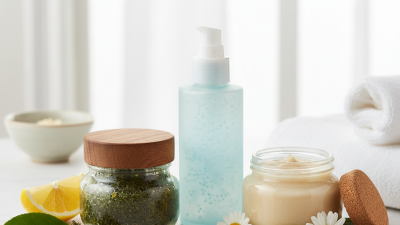
Physical scrubs work through friction, so texture and technique matter more than impressive claims. Granules can include fine cellulose, rice powder, or smooth mineral particles. Their edges should feel rounded, not sharp. I test a small amount on my inner wrist first. Then I use light, wet-handed circles for about twenty seconds. Scrubbing harder does not create cleaner skin.

Powder scrubs offer more control. Mix a small pinch with water or a gentle cleanser until it forms a thin paste. Dry skin often prefers a creamy mixture, while oily skin may tolerate a lighter blend. Avoid applying powder near the eyes, nose folds, or broken areas. My own mistake was using too much powder on a dry cheek. The result looked polished briefly, then felt tight and rough.

Cleansing tools include soft silicone pads, washable cloths, and flexible facial brushes. Silicone pads are easy to rinse, while cloths provide adjustable pressure. Brushes require extra care because damp bristles can hold residue. Use one tool at a time, once or twice weekly, and stop if burning or lasting redness appears. Sensitive or acne-prone skin may need fewer sessions. I still find frequency difficult to judge, because weather, shaving, and skincare products change the response. A simple skin diary can reveal those patterns.

Top 10 Types of Facial Scrubs for Every Skin Type - Physical Scrub Types: Granules, Powders, and Cleansing Tools

No. Physical Scrub Type Typical Texture Best-Suited Skin Type Main Exfoliating Action Suggested Use Important Considerations
1 Sugar Granules Small, water-soluble crystals Normal to dry, non-sensitive skin Lifts loose surface flakes through gentle rubbing; crystals dissolve as they are rinsed About once weekly with light pressure Avoid vigorous scrubbing and use on active breakouts, irritated skin, or around the eyes
2 Fine Salt Granules Crystalline and potentially coarse Resilient, oily body areas; generally not ideal for facial sensitivity Provides surface friction to remove loose dead skin cells Use sparingly, no more than every 1–2 weeks if tolerated Can sting compromised skin and may be too abrasive for the face, especially for dry, sensitive, or acne-prone skin
3 Jojoba Wax Beads Smooth, uniform spherical beads Normal, combination, and mildly sensitive skin Offers more even and controlled physical exfoliation than irregular particles Once or twice weekly, depending on tolerance Choose smooth, rounded beads and stop if redness, burning, or persistent tightness occurs
4 Rice Powder Fine, dry powder that becomes a paste when mixed Normal, combination, and oily skin Fine particles provide mild polishing and help remove surface buildup Once weekly; mix with water or a gentle cleanser Avoid creating a dry, abrasive paste and do not rub over active blemishes
5 Colloidal Oatmeal Powder Very fine, soft powder Dry, sensitive, or easily irritated skin Provides minimal physical polishing while oatmeal helps support a comfortable skin feel Up to once weekly or as tolerated Use a fine powder and very light pressure; avoid if there is a known oat allergy
6 Silica Microbeads Uniform mineral-based spherical particles Normal, combination, and oily skin Creates consistent surface exfoliation and helps remove excess surface oil and debris Once weekly, with gentle circular motions Particle size and shape matter; avoid products with sharp or irregular particles
7 Pumice Powder Porous mineral powder with a stronger polishing feel Thicker, resilient skin; use cautiously on the face Provides relatively strong mechanical abrasion for rough surface areas Occasionally only, and preferably on limited areas Usually unsuitable for sensitive, dry, inflamed, or acne-prone facial skin because over-exfoliation is more likely
8 Konjac Cleansing Sponge Soft, porous sponge that becomes flexible when wet Most skin types, including mildly sensitive skin Provides low-level mechanical cleansing and gentle surface polishing Daily or several times weekly, depending on skin response Rinse thoroughly, air-dry between uses, and replace regularly to maintain hygiene
9 Microfiber Cleansing Cloth Soft woven fabric with fine fibers Normal and combination skin; sensitive skin with very light pressure Adds mild friction while removing cleanser, sunscreen, or surface residue A few times weekly or as needed for makeup removal Use a clean cloth each time; rubbing too hard can cause irritation and dryness
10 Soft Silicone Cleansing Tool Flexible silicone bristles or textured surface Normal, combination, and oily skin Combines cleanser with gentle surface friction to loosen oil and debris Several times weekly; short sessions are generally sufficient Clean and dry the tool after use; avoid pressing over inflamed acne, eczema, or damaged skin

Frequency should be adjusted to individual tolerance. Physical exfoliation should be gentle, followed by moisturizer and daytime sunscreen.

Chemical and Enzyme Scrub Types: Acids and Natural Exfoliants

Chemical and enzyme scrubs can make facial exfoliation more precise than rough, grainy formulas. Glycolic acid reaches deeper and may brighten uneven texture, but it can sting sensitive skin. Lactic acid is usually gentler and helps dry skin retain moisture. Mandelic acid has larger molecules, making it a cautious option for reactive or blemish-prone skin. Salicylic acid dissolves oil inside pores, while gluconolactone and lactobionic acid offer mild polyhydroxy exfoliation.

Enzyme scrubs work differently. Papain from papaya and bromelain from pineapple loosen dead surface cells without relying on abrasive particles. Pumpkin enzymes can feel effective, though their strength varies between formulas. Rice and oat-based exfoliants may provide softer polishing, but they are not automatically harmless. Natural does not mean irritation-free. Patch testing matters.

Apply one exfoliant to clean, dry skin, then follow its directions carefully. Leave-on acids need gradual use, often once weekly at first. Rinse-off enzyme products still deserve caution, especially around the nose and mouth. Avoid combining several exfoliants in one routine. That mistake is easy to make. Burning, persistent redness, or tightness signals a need to stop. I have found that smoother skin is not always healthier skin; over-exfoliation can create tiny flakes and more sensitivity. Daily sunscreen also matters, because exfoliated skin may react more strongly to sunlight.

Top 10 Facial Scrubs Matched to Different Skin Types

Choosing a facial scrub by skin type helps reduce irritation and improve comfort. For dry skin, try a creamy oat scrub with fine particles and added humectants. For oily skin, a light salicylic-acid exfoliant can loosen excess oil inside pores. Combination skin often suits a gentle rice-powder scrub used mainly on the forehead, nose, and chin. Sensitive skin needs a fragrance-free enzyme exfoliant with no sharp grains. For acne-prone skin, choose a low-strength chemical scrub rather than rough walnut particles. Start slowly.

Normal skin can tolerate a fine sugar scrub once weekly, provided the skin stays comfortable afterward. Dehydrated skin may prefer a soft gel scrub with glycerin and smooth jojoba beads. For mature skin, a mild lactic-acid exfoliant can remove dull surface cells without aggressive rubbing. Congested skin may respond to a clay-based scrub, but it should not leave the face tight or flaky. Rosacea-prone skin usually needs the gentlest option: a creamy, non-abrasive formula, or no scrub during flare-ups. Dermatology guidance generally favors limited exfoliation, short contact time, and daily sunscreen.

In my experience, “cleaner” skin is not always healthier skin.

Too much friction can create redness that lasts all day. Patch-test new products, avoid broken skin, and stop when stinging continues.

How to Select, Apply, and Schedule Facial Scrub Use

Choosing among the top 10 facial scrub types starts with your skin’s tolerance, not its trend appeal. Physical scrubs use grains, powders, or brushes. Chemical exfoliants use acids or enzymes. AAD guidance says sensitive, dry, or acne-prone skin may need gentler methods and less frequent use. Its dermatology guidance also warns that vigorous exfoliation can increase redness and irritation.

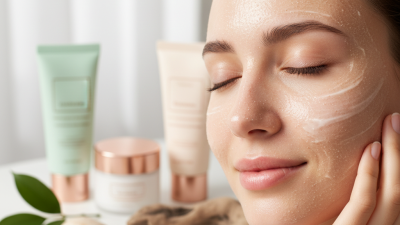
Apply a small amount to damp skin with clean fingertips. Use light, circular motions for about 20 seconds. Avoid the eyelids, lips, broken skin, and active sunburn. Rinse with lukewarm water, then apply a fragrance-free moisturizer.

Begin once weekly. Oily, resilient skin may tolerate two sessions, but daily scrubbing is rarely necessary. The FDA’s cosmetic safety guidance supports following product directions and stopping when burning, swelling, or persistent redness appears. Patch testing remains sensible, although I admit it cannot predict every reaction. Skin sometimes behaves inconsistently.

Tips: Choose fine, smooth particles rather than sharp, uneven grains. Do not combine scrubbing with retinoids, strong acids, waxing, or professional resurfacing on the same day. Wear broad-spectrum SPF 30 or higher afterward. A 2024 report from the American Academy of Dermatology Association notes that sunscreen helps protect against premature skin aging and skin cancer. Keep a simple schedule: exfoliate Sunday evening, moisturize, and observe your skin for 48 hours. If stinging continues, reduce frequency or ask a board-certified dermatologist.