Top 10 Xanthan Gum Ingredients Why They Matter for Buyers
Xanthan gum is a popular thickening agent, widely used in the food industry. Understanding Xanthan Gum Ingredients is crucial for buyers who wish to make informed decisions. These ingredients not only influence the product's quality but also its functionality in various applications.
In recent years, consumer awareness has increased significantly. Buyers want to know what they are putting into their bodies. Xanthan gum, derived from fermentation, offers unique properties like stabilizing emulsions and enhancing texture. This makes it a valuable asset in gluten-free and low-fat foods.
As we explore the top ten Xanthan Gum Ingredients, buyers will gain insight into how these components work together. Each ingredient plays a significant role, affecting taste and consistency. Reflecting on this knowledge can lead to smarter purchasing choices. It’s essential to consider how these ingredients align with personal health goals and dietary preferences.
Understanding Xanthan Gum: An Overview of Its Importance
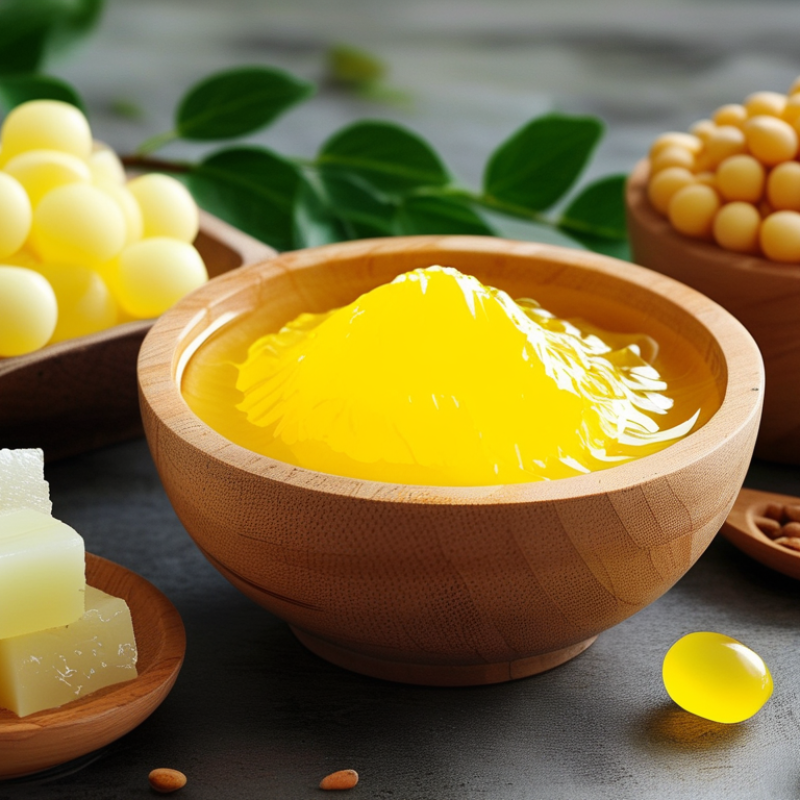
Xanthan gum is a vital ingredient in the food industry, known for its thickening and stabilizing properties. This polysaccharide is produced by fermenting glucose or sucrose using the bacterium Xanthomonas campestris. Its relevance goes beyond food; it's used in cosmetics, pharmaceuticals, and personal care products. According to a report by Global Market Insights, the xanthan gum market was valued at around $1.02 billion in 2022, emphasizing its crucial role in various sectors.
Understanding the significance of xanthan gum can greatly benefit buyers. It helps improve texture and consistency in products. This ingredient can enhance mouthfeel in sauces and dressings, providing a satisfying experience for consumers. A report from Fortune Business Insights indicates that the food sector is expected to dominate xanthan gum usage, contributing to its steady growth. Buyers should consider the source of this ingredient. Quality matters and can impact overall product performance.
Tips: When sourcing xanthan gum, check the purity and quality grades. Look for suppliers with established reputations. Quality assurance is key.
Buyers should also reflect on sustainability. The production process can have environmental impacts. Make conscious choices that consider both functionality and ecological responsibility. Balancing performance with environmental concerns is not always easy, but it's essential for long-term success.
Key Ingredients of Xanthan Gum and Their Functions
Xanthan gum is a popular thickening agent in food, cosmetics, and pharmaceuticals. Its key ingredients play vital roles, ensuring the stability and texture of various products. Understanding these components can help buyers make informed choices.
One significant ingredient in xanthan gum is the polysaccharide itself. It creates a gel-like texture, which is crucial for improving mouthfeel. This gel formation is handy in salad dressings and sauces, as it prevents separation. Another essential component is the xanthan gum’s interaction with water. This property allows it to maintain emulsions and keep ingredients well-mixed.
When purchasing xanthan gum, look for its source. Some suppliers offer higher purity levels, resulting in better performance in formulations. Be cautious of over-usage too. Excess xanthan gum can lead to a slimy texture, which might detract from the overall product quality.
A helpful tip is to test small batches before large-scale applications. This step lets you fine-tune the quantities without wasting resources. Additionally, always check for any additives that might disrupt the desired functions of xanthan gum. Understanding its role can enhance your final product, making your decisions more effective.
How Xanthan Gum Enhances Food Texture and Stability
Xanthan gum is a powerful additive commonly used in food processing. It plays a vital role in enhancing texture and stability. This polysaccharide is created through fermentation, making it an effective thickening agent. It can hold water well, which prevents separation. As a result, it contributes to a creamy, uniform consistency in sauces and dressings.
The features of xanthan gum appeal to various consumers. It allows gluten-free products to mimic the texture of traditional baked goods. Many people appreciate this aspect, especially those with dietary restrictions. However, it’s important to understand that high amounts of xanthan gum can sometimes lead to gummy textures. This may not be ideal for every dish. It's essential for producers to find a balance in usage.
Food scientists focus on the dosage of xanthan gum. They seek to maximize its benefits while minimizing downsides. Consumers deserve to be aware of how such ingredients impact their meals. Knowledge about food science contributes to informed choices. Enhancing texture through xanthan gum is an art and a science, requiring careful consideration.
The Role of Xanthan Gum in Gluten-Free Products
Xanthan gum plays a crucial role in gluten-free products, enhancing texture and stability. Many individuals with celiac disease rely on gluten-free options. A report from MarketsandMarkets indicates that the gluten-free food market is projected to reach $7.59 billion by 2027. This growth emphasizes the importance of suitable ingredients.
Xanthan gum acts as a thickening agent, mimicking the properties of gluten. When mixed with water, it forms a gel-like substance. This gelling ability is vital for the mouthfeel of gluten-free baked goods. Without it, products can be dry and crumbly. A study published in the Journal of Food Science highlighted that xanthan gum improved rheological properties in gluten-free doughs.
While xanthan gum is beneficial, its use can present challenges. Some consumers may experience gastrointestinal discomfort from high amounts. Moreover, the sourcing process can sometimes lead to variations in quality. Professionals in food formulation must balance the benefits with potential drawbacks. As the gluten-free trend continues to rise, understanding these nuances becomes essential for product developers.
Top 10 Xanthan Gum Ingredients Why They Matter for Buyers
| Ingredient |
Function |
Benefits in Gluten-Free Products |
Source |
| Xanthan Gum |
Thickening Agent |
Improves texture and stability |
Fermentation of sugar by Xanthomonas campestris |
| Guar Gum |
Thickener & Stabilizer |
Enhances moisture retention |
Guar beans |
| Psyllium Husk |
Fiber Source |
Adds bulk and helps binding |
Psyllium seed |
| Locust Bean Gum |
Thickening Agent |
Improves structure and mouthfeel |
Locust bean seeds |
| Chia Seeds |
Binding Agent |
Contributes to texture and nutrition |
Chia plant |
| Tapioca Starch |
Thickener |
Provides chewiness |
Cassava root |
| Potato Starch |
Thickening & Binding |
Improves texture |
Potato tubers |
| Arrowroot Powder |
Thickening Agent |
Provides smooth texture |
Arrowroot plant |
| Carrageenan |
Gelling Agent |
Improves gel formation |
Red seaweed |
| Agar-Agar |
Gelling Agent |
Useful for vegan products |
Seaweed |
Safety and Regulations of Xanthan Gum for Consumers
Xanthan gum is widely used in food products and cosmetics. Understanding its safety and regulations is important for consumers. This thickening agent has been deemed safe by health authorities like the FDA. However, not all xanthan gum is created equal. The sourcing and processing methods can vary significantly. Consumers should be aware of these differences to make informed choices.
Regulations surrounding xanthan gum include strict testing for contaminants. These tests measure heavy metals and microbial levels, ensuring consumer safety. Nonetheless, some may question the adequacy of these regulations. Not every supplier adheres to the same standards. This inconsistency highlights the importance of sourcing products from reliable manufacturers. Awareness of production practices can contribute to safer consumption.
While xanthan gum is generally safe, individuals with specific allergies must exercise caution. The ingredient can trigger reactions in rare cases. Moreover, not all products disclose their xanthan gum content clearly. Consumers need to read labels carefully. This vigilance is key to avoiding potential health risks. Understanding the nuances of xanthan gum allows for more conscious purchasing decisions.
Top 10 Xanthan Gum Ingredients: Importance for Buyers