Top Dishwashing Detergent Types for Global Buyers in 2026?
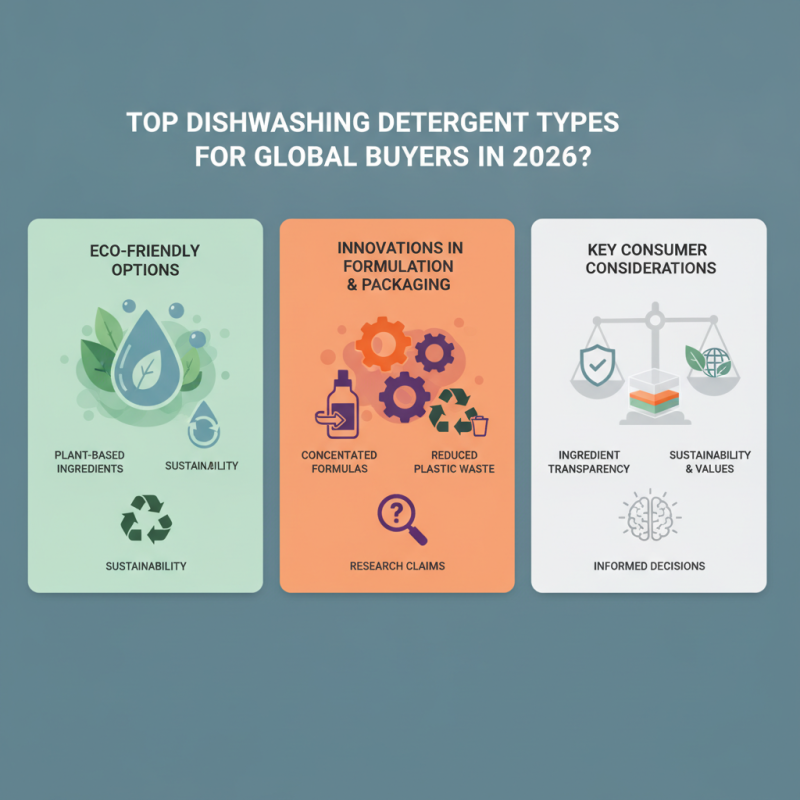
In 2026, the global market for dishwashing detergent is set to evolve significantly. Buyers will encounter various types of dishwashing detergent, each designed for specific needs. Eco-friendly options are gaining traction, catering to environmentally conscious consumers. These products often utilize plant-based ingredients, appealing to those who prioritize sustainability.
Additionally, markets are seeing innovations in packaging and formulation. Many dishwashing detergents now feature concentrated formulas, promising effective cleaning with less product usage. This shift not only addresses consumer preferences for efficiency but also reduces plastic waste. However, some may question the real impact of certain claims, requiring them to research more deeply.
Amidst this progress, it's essential to remember the importance of ingredient transparency. Consumers deserve clarity about what they are using in their kitchens. Equipped with knowledge, buyers can make informed decisions that align with their values, while recognizing that not every brand lives up to its promises. Balancing effectiveness with safety and sustainability will be key moving forward.
Top-Selling Dishwashing Detergent Types Worldwide by 2026
The dishwashing detergent market is evolving. By 2026, buyers worldwide will have diverse options. They are looking for effectiveness, convenience, and sustainability. An interesting trend is the rise of eco-friendly products. These detergents use natural ingredients to reduce environmental impact. Many consumers are becoming more aware of their choices.
Liquid dishwashing detergents remain popular. They are easy to pour and can tackle grease effectively. Users appreciate their versatility across various cleaning tasks. In contrast, powder detergents show resilience in certain regions. They often come in bulk, providing cost-effective solutions.
Scented detergents also gain traction. A pleasant aroma can enhance the washing experience. However, some buyers prefer unscented options due to sensitivities. This reflects how consumer preferences vary greatly. It is evident that the market needs to adapt to these shifts to thrive. As new products emerge, companies must focus on quality and transparency. Balancing effectiveness with environmental responsibility will be crucial for success.
Market Share Analysis of Eco-Friendly Dishwashing Detergents
The market for eco-friendly dishwashing detergents is expanding rapidly. As of 2023, it accounted for approximately 29% of the global dishwashing detergent market. Industry reports suggest this share will increase to about 40% by 2026. Consumers are leaning towards sustainable options due to rising environmental concerns. This shift reflects a growing awareness of the impact of traditional detergents on ecosystems.
The eco-friendly segment is characterized by various product types. Liquid detergents are the most popular, making up 60% of this market. Powdered and pod formats are also gaining traction, appealing to different consumer preferences. In addition, biodegradable ingredients are increasingly sought after. Reports indicate that 75% of consumers are willing to pay a premium for green products. However, challenges remain in product performance and consumer perceptions. Some users feel eco-friendly detergents aren’t as effective. This is an ongoing area for improvement in product development.
Moreover, regional differences affect buying habits. North America leads in eco-friendly detergent sales, followed by Europe and Asia. However, in emerging markets, price sensitivity remains a significant barrier. Many consumers prioritize cost over sustainability. Balancing effectiveness, price, and eco-friendliness is critical for brands aiming to capture this growing market segment. Companies must continue to innovate and educate consumers about the benefits of green products to overcome these obstacles.
Top Dishwashing Detergent Types for Global Buyers in 2026 - Market Share Analysis of Eco-Friendly Dishwashing Detergents
| Type of Detergent |
Market Share (%) |
Growth Rate (%) |
Key Ingredients |
| Biodegradable |
40 |
8 |
Plant-based surfactants |
| Natural |
25 |
6 |
Essential oils, organic compounds |
| Concentrated |
20 |
10 |
Highly efficient agents |
| Phosphate-free |
10 |
4 |
Citrus extracts, natural enzymes |
| Eco-friendly Packs |
5 |
12 |
Recycled materials |
Consumer Preferences for Dishwashing Detergents in Major Regions
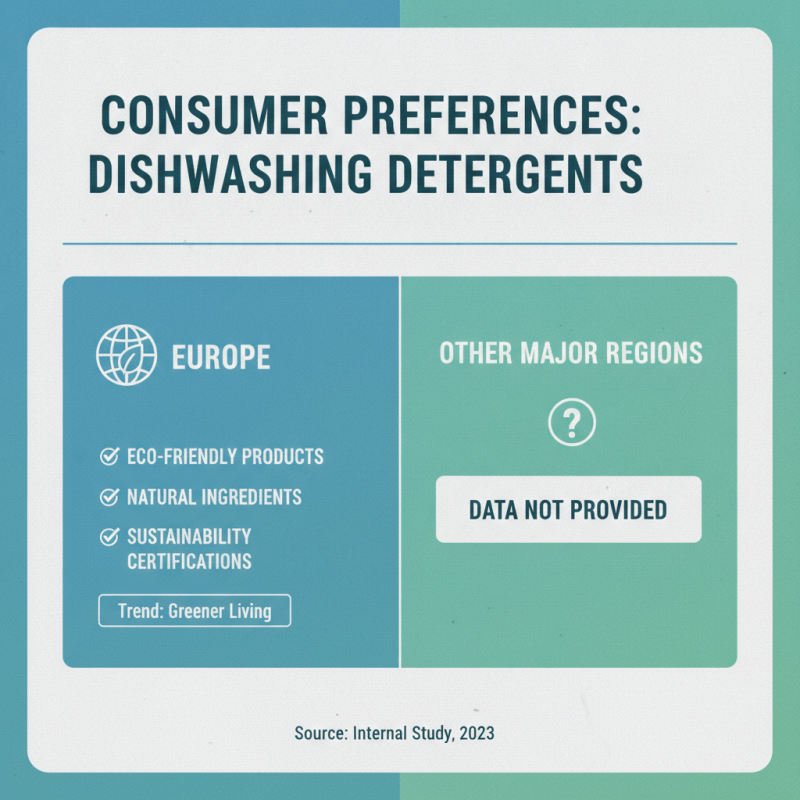
Consumer preferences for dishwashing detergents vary significantly across major regions. In Europe, many buyers prefer eco-friendly products that feature natural ingredients. They often look for certifications that ensure sustainability. This focus on environmental impact reflects a broader trend toward greener living.
In North America, users prioritize convenience and effectiveness. Many consumers opt for concentrated formulas that promise to tackle tough grease with less product. Fragrance also plays an important role in selection. Citrus and fresh scents remain popular among this demographic. However, some buyers have raised concerns about allergic reactions to certain chemicals.
Asian markets show diverse preferences. In countries like Japan, there’s a strong inclination toward minimalist packaging and concentrated formats. Texture and ease of rinsing are critical factors. Yet, in emerging markets, price sensitivity can override other preferences. Here, affordability becomes a primary concern, sometimes at the expense of efficacy. Each region has its unique challenges and considerations.
Emerging Trends in Biodegradable and Natural Dishwashing Products
In recent years, the demand for biodegradable and natural dishwashing products has surged. Many consumers now prefer eco-friendly options. These products are often made from plant-based ingredients, which can minimize environmental impact. A growing awareness of sustainability influences purchasing decisions. The transition towards greener products indicates a significant shift in consumer behavior.
However, not all biodegradable products are created equal. Some claim to be eco-friendly but fail to meet certification standards. Consumers must look for transparency in sourcing and manufacturing. There is still confusion around terms like "natural" and "biodegradable." This lack of clarity can lead to misinformation. Buyers need to educate themselves about what genuinely constitutes an eco-friendly product.
As new trends emerge, brands are exploring innovative formulations. Natural enzymes and essential oils are gaining popularity. They offer effective cleaning power while being safer for the environment. It’s essential for buyers to remain vigilant and ask questions. The quest for sustainability is ongoing. It requires continuous reflection on our choices and their broader implications.
Competitive Landscape of Dishwashing Detergent Brands in 2026
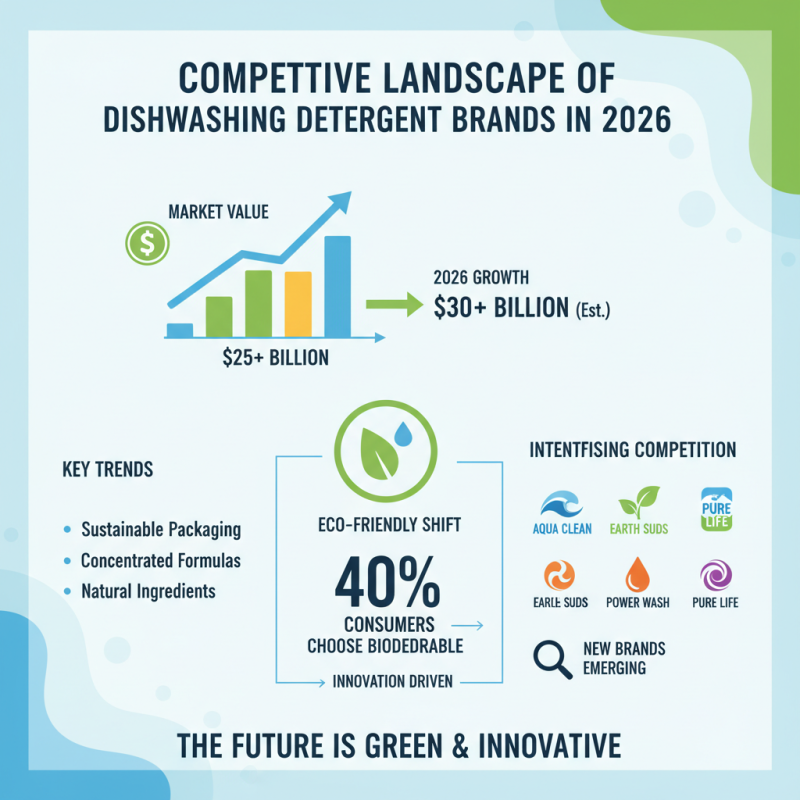
The global dishwashing detergent market is experiencing notable shifts. As of 2022, the market was valued at over $25 billion and is projected to grow steadily through 2026. Various brands are emerging, yet competition is intensifying. The rise of eco-friendly products reflects consumer preferences for sustainable options. Market studies show that around 40% of consumers now choose biodegradable detergents, driving brands to innovate.
In this competitive landscape, established players are facing challenges. New entrants leverage e-commerce to expand their reach. Additionally, over 60% of consumers prioritize effectiveness in cleaning and grease removal. Many brands struggle to balance performance with environmental sustainability. With rising consumer expectations, some brands may find it difficult to maintain their market share.
Brands should also monitor pricing strategies. The average price of dishwashing detergents varies widely, influencing purchasing decisions. A segment of consumers is shifting towards premium products, yet price sensitivity remains prevalent. Many brands must adapt to these market realities or risk losing relevance in a rapidly changing industry environment. Insights from market analyses emphasize the need for innovation and responsiveness to consumer trends.