How to Choose the Best Anionic Soap for Your Business Needs?
When selecting the right anionic soap for your business, several factors come into play. Anionic soap is widely used due to its superior cleaning abilities and compatibility with a range of applications. Understanding your specific needs is essential for making the best choice.
The market offers a variety of options, each designed for different purposes. For example, some products excel in removing grease, while others focus on gentle skin care. It is vital to consider the chemical properties of each anionic soap. Safety and efficacy should never be compromised.
In your search, keep an open mind. Not every product will meet your expectations. Some might lack the power you need for heavy-duty tasks, while others may not be suitable for sensitive surfaces. Real-world testing can help you find the right match. Reflecting on your business needs will guide you in selecting the most appropriate anionic soap.
Understanding Anionic Soaps: Definition and Key Properties
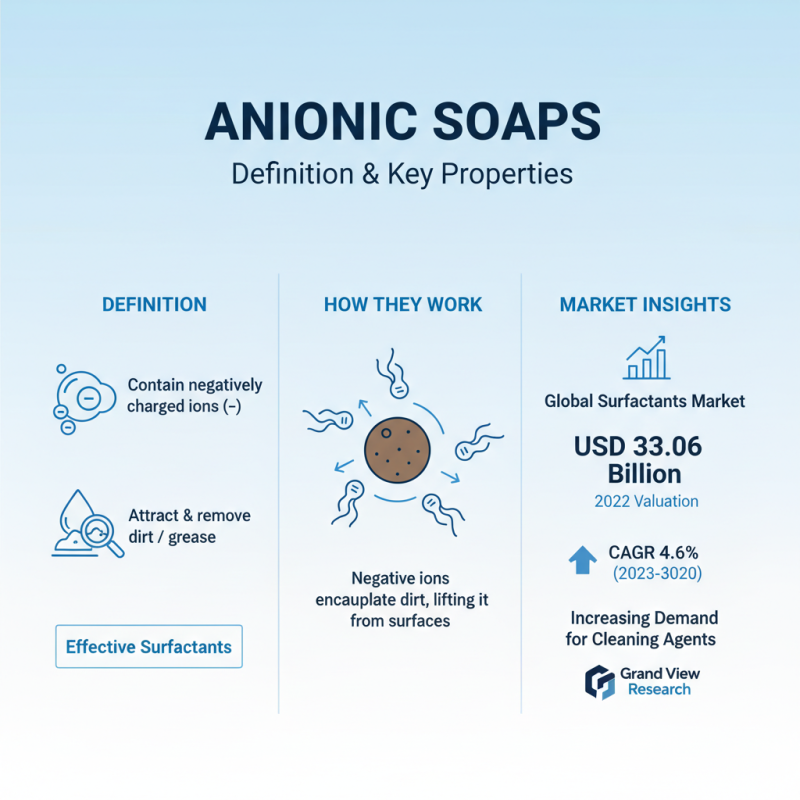
Anionic soaps are an essential category in the cleaning industry, renowned for their effective surfactant properties. These soaps contain negatively charged ions, which attract and remove dirt and grease. In a market study by Grand View Research, the global surfactants market size was valued at USD 33.06 billion in 2022, with an expected compound annual growth rate (CAGR) of 4.6%. This growth highlights the increasing demand for effective cleaning agents, including anionic soaps.
Key properties of anionic soaps include their strong emulsifying ability and stability in hard water. They work effectively in various formulations, from household cleaners to industrial detergents. Industry experts note that anionic soaps often perform better in alkaline conditions, allowing for a wider range of applications. However, this property can also pose challenges, as excessive alkalinity may degrade certain formulations. Therefore, careful balance is crucial when choosing anionic soaps for specific business needs.
While anionic soaps are highly efficient, they may cause skin irritation for some users. Data from the American Contact Dermatitis Society indicates that 20% of patients investigated for skin irritants reported reactions to certain surfactants. Therefore, companies must consider safety and efficacy when selecting these products. Understanding these aspects can empower businesses to choose the most suitable anionic soaps while mitigating potential risks.
Identifying Business Needs: Application Areas for Anionic Soaps
When selecting anionic soaps for your business, understanding application areas is crucial. Anionic soaps play a vital role across various industries. They are commonly used in personal care products like shampoos and body washes. In recent studies, the personal care market is projected to reach $750 billion by 2025, highlighting the demand for effective ingredients like anionic soaps.
Another significant area is in household cleaning products. A report from Grand View Research indicates that the global cleaning products market is expected to grow by 6% annually, driven by consumer preference for powerful cleaners. This growth opens opportunities for businesses to innovate with high-performance anionic soaps that enhance cleaning efficiency and consumer satisfaction.
Tips: Always evaluate the purity and effectiveness of the soap. Conduct tests on different formulations to find the best fit for your product line. Monitor evolving consumer trends to adapt your offerings accordingly. Creating a feedback loop can help refine your choices for anionic soaps, ensuring they meet market needs effectively.
Evaluating Quality: Industry Standards and Certifications for Anionic Soaps
When selecting anionic soaps for your business, understanding industry standards is crucial. Quality assurance begins with familiarizing yourself with the various certifications that ensure a product meets safety and performance benchmarks. Look for recognized certifications such as ISO 9001, which indicates strong quality management practices. Other relevant certifications can reflect eco-friendly practices, demonstrating a commitment to sustainability.
The reliability of anionic soap varies based on its formulation quality. Testing reports provide insights into product effectiveness. Look for data on pH levels, biodegradability, and concentration of active ingredients. Requesting these documents can feel daunting but is necessary for informed choices. It’s vital to consider suppliers who are transparent about their production processes.
Consumer feedback is another valuable resource. Many businesses overlook this aspect. Checking online reviews can reveal real-world performance and user experiences. This helps you gauge whether a specific anionic soap truly meets your specific needs. Balancing certifications with consumer opinion fosters a robust decision-making process. It might be helpful to reflect on your unique requirements and reconsider products that do not align with your expectations.
Cost Analysis: Pricing Trends and Budgeting for Soap Procurement
When considering anionic soap procurement for your business, cost analysis is crucial. Industry reports indicate that prices vary significantly based on composition and supplier relationships. In recent years, the average market price for anionic soaps has risen by approximately 8%, influenced by raw material costs and demand shifts.
Understanding pricing trends will help you effectively budget for your needs. Take into account factors like bulk purchasing and supplier negotiation. Historical data suggests that businesses can save up to 15% when opting for long-term contracts with suppliers.
Tip: Regularly review your budget. Adjust for market changes to avoid overspending. Additionally, factor in shipping costs and potential delays.
Not all suppliers offer transparent pricing. Some may hide fees that inflate final costs. Always request a detailed breakdown of expenses. This can prevent unexpected budget issues.
Tip: Engage in supplier evaluations. A reliable supplier often provides more than just a low price. They ensure consistency, quality, and transparency.
Supplier Selection: Criteria for Choosing Reliable Anionic Soap Vendors
When selecting anionic soap vendors, reliability is crucial. Suppliers must demonstrate robust quality control practices. A recent industry report indicates that 78% of businesses prioritize quality over price when assessing suppliers. This statistic underscores the significance of sourcing from vendors who adhere to strict production standards.
Evaluating a supplier's reputation is essential. Research their market presence and customer reviews. A study from the Chemical Manufacturers Association reveals that 65% of companies rely on peer recommendations when choosing suppliers. Networking with industry contacts can also provide insights into vendor reliability. Transparency in communication is vital. A reliable supplier should readily share production processes and certifications.
Price is an important factor, but it shouldn't overshadow quality. Some low-cost vendors compromise on standards, leading to subpar products. A detailed evaluation of cost versus quality will help prevent regrets later. Ensure your anionic soap supplier can provide consistent product performance. This consistency is essential for maintaining customer satisfaction and trust in your business.