Leave Your Message

What Are the Top Anionic Soap Suppliers in China?

China remains a major manufacturing base for specialty surfactants, including Anionic Soap used in personal care, detergents, and industrial formulations. However, choosing a supplier requires more than comparing online prices. Factory capability, raw material consistency, testing procedures, and export experience can change the final product significantly.

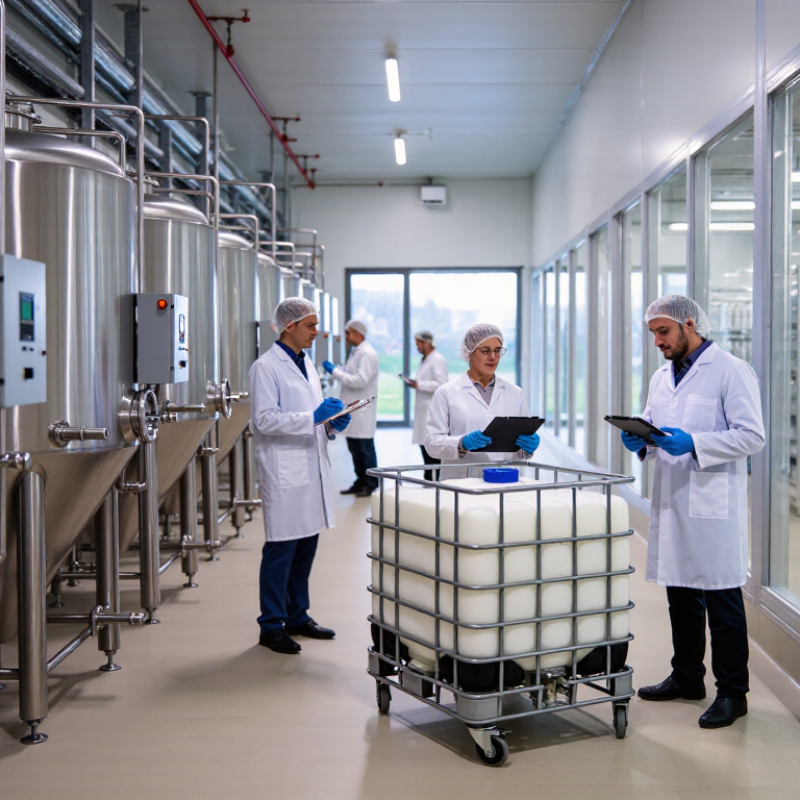
This guide examines leading Chinese Anionic Soap suppliers through practical purchasing criteria. These criteria include production capacity, formulation expertise, quality certifications, customization support, packaging options, and delivery reliability. A dependable supplier should provide technical data sheets, safety documents, batch information, and clear sample approval procedures. Buyers should also ask how suppliers control active matter, moisture, color, odor, and particle size. Small differences can affect foam, solubility, and finished-product stability.

Some manufacturers appear impressive online but offer limited technical support after payment. That matters. A responsive supplier can help adjust the formula for liquid cleansers, powders, or industrial applications. Factory visits, video audits, and independent laboratory testing can strengthen confidence. Still, no supplier is perfect. Communication delays, changing raw material costs, or inconsistent batches may occur, especially during large orders. This overview therefore presents suppliers with a balanced perspective, not an automatic endorsement. Readers should verify current certifications, production conditions, and commercial terms before making a final decision. Practical evidence matters more than polished brochures.
What Are the Top Anionic Soap Suppliers in China?

What Is Anionic Soap and How Is It Used?

What Is Anionic Soap and How Is It Used?

Anionic soap is a negatively charged cleaning agent. Traditional soap contains fatty acid salts, such as sodium stearate. Synthetic anionic surfactants include sulfate and sulfonate compounds. They lower water’s surface tension and lift oil from fabric, skin, and hard surfaces. In practice, the foam is visible, but cleaning depends more on water quality and formulation balance.

Grand View Research estimated the global anionic surfactants market at roughly US$20 billion in 2023. Its report also identifies household cleaning, personal care, and industrial processing as major application areas. Suppliers in China commonly manufacture powdered, liquid, and paste forms. Buyers may use them in detergents, textile processing, metal cleaning, and selected cosmetic formulations. Hard water can reduce soap performance by creating insoluble deposits. The bathroom ring tells the story.

Supplier selection requires more than checking price. Request active-matter content, moisture, free alkali, pH, and residual solvent data. A recent technical data sheet helps, but independent testing is safer. Mordor Intelligence reports continued market growth, driven by hygiene demand and industrial consumption. That growth does not make every product equivalent. I have found that small differences in chain length, particle size, or packaging can change dissolution behavior. The label can mislead. A practical trial under real temperature and water conditions remains essential.

How to Evaluate Anionic Soap Suppliers in China

When evaluating anionic soap suppliers in China, begin with product chemistry, not catalog images. The National Bureau of Statistics reported roughly 10 million tonnes of synthetic detergent production in China in 2023. This scale creates choice, but also uneven quality. Ask for active matter, total fatty matter, moisture, free alkali, insoluble content, color, and odor results. These figures should match your approved specification.

Start with the specification. Numbers matter. Request three recent batch certificates, not one polished sample. Compare laboratory results with an independent test under ISO or ASTM methods. A dependable supplier should explain testing frequency, sampling locations, and instrument calibration. Check whether production records identify raw-material lots and finished-product batches. Traceability becomes important when a mild odor changes after storage.

Supplier audits should examine mixing temperature, drying controls, warehouse humidity, and packaging seals. Review wastewater controls and chemical-handling procedures. These details reveal operational maturity without relying on sales claims. UN Comtrade data under HS 340111 can help verify a supplier’s export history, although soap classification may not cover every anionic formulation. Ask for the exact customs code used.

Do not overvalue the lowest quotation. A 2% moisture difference may affect freight weight, processing yield, and shelf stability. Request a pilot shipment before signing annual volumes. I would also inspect complaint records. Few suppliers will present them willingly. That hesitation deserves attention. A useful evaluation sheet should score consistency, technical response time, documentation, delivery performance, and corrective-action quality, rather than price alone.

What Are the Top Anionic Soap Suppliers in China? - How to Evaluate Anionic Soap Suppliers in China

Evaluation Dimension Industry-Reference Benchmark Evidence to Request Suggested Weight Assessment
Product Type and Application Fit Clear product classification, such as linear alkylbenzene sulfonate, sodium lauryl sulfate, sodium laureth sulfate, or fatty-acid soap, matched to the intended detergent, personal-care, textile, or industrial application. Technical data sheet, formulation guidance, application samples, and compatibility information. 15% Critical
Active Matter Consistency The active-matter specification should be stated on the product specification and remain within the agreed tolerance for every shipment. Commercial concentrations vary by product form and grade. Recent certificates of analysis from multiple batches, including active matter, moisture, and insoluble matter. 15% Critical
Quality Management System A documented quality system based on ISO 9001:2015 or an equivalent system, with controlled production, testing, nonconformance handling, and corrective-action procedures. Valid certificate, certification scope, issuing body, audit status, and quality manual excerpts where available. 12% High
Laboratory and Testing Capability Routine control of appearance, odor, pH, active matter, moisture, color, viscosity where applicable, and other product-specific parameters. Laboratory equipment list, test methods, calibration records, sample COAs, and independent laboratory reports for critical parameters. 10% High
Regulatory Documentation Current SDS and labeling information aligned with the destination market. For exports, documentation should address applicable requirements such as GHS classification, REACH obligations where relevant, and local chemical regulations. SDS, technical data sheet, composition or regulatory statement, transport classification, and destination-market compliance documents. 12% Critical
Production Capacity and Continuity Capacity should be sufficient for the buyer's forecast, with documented raw-material sourcing, preventive maintenance, backup utilities, and a business-continuity plan. Production overview, capacity allocation, lead-time history, inventory policy, contingency plan, and supplier audit or site-visit records. 10% High
Packaging and Shipment Protection Packaging should be suitable for the physical form and transport conditions, with lot identification, net weight, manufacturing date, storage guidance, and traceability markings. Packaging specification, photographs, pallet configuration, container-loading method, and transportation damage records. 8% Medium
Traceability and Complaint Handling Each shipment should be traceable to a production lot and raw-material records, with a defined complaint-response and corrective-action process. Lot-number procedure, retention-sample policy, complaint form, response-time target, and anonymized corrective-action report. 8% Medium
Environmental and Safety Practices Suitable chemical-handling controls, wastewater management, worker-protection procedures, and environmental permits should be in place. ISO 14001 certification can provide additional evidence but is not the only acceptable proof. Environmental permits, safety policy, incident records, wastewater-control information, and ISO 14001 certificate where applicable. 7% Medium
Commercial Terms and Total Cost Evaluation should include product price, packaging, freight, duties, payment terms, minimum order quantity, testing costs, and the financial impact of quality variation or delayed delivery. Comparable quotations, Incoterms, payment terms, lead time, minimum order quantity, freight assumptions, and a landed-cost calculation. 3% Medium
Recommended supplier-selection method: Shortlist suppliers that meet the critical requirements, compare at least three production batches, verify documentation with the issuing organizations where practical, conduct a sample or factory audit, and approve the supplier only after the product passes the buyer’s application and quality tests.

Leading Types of Chinese Anionic Soap Manufacturers

Anionic soap manufacturers in China generally fall into several practical categories. Integrated oleochemical producers convert palm, tallow, or other approved fatty feedstocks into soap noodles and liquid soap bases. Their strength is traceable raw-material control. Some factories focus on toilet soap bases, while others supply industrial cleaners, textile auxiliaries, or personal-care formulations. These applications require different fatty-acid profiles, moisture levels, and pH targets.

A second group works as formulation and private-label manufacturers. They can adjust color, fragrance, hardness, packaging, and bar shape for regional markets. Their value is flexibility, especially for moderate order volumes. Specialty producers make high-purity anionic surfactants, including sodium or potassium fatty-acid salts for technical applications. Buyers should check whether “anionic soap” means traditional soap, a blended surfactant, or a finished bar. The wording is not always consistent.

Reliable evaluation needs more than a polished factory tour. Request recent COAs, SDS documents, ingredient declarations, production photos, and test samples from different batches. Check total fatty matter, free alkali, moisture, insoluble matter, pH, odor, and color stability. For export orders, confirm packaging strength and storage conditions; a carton may look secure but fail in humid transit. Audit wastewater handling and worker safety records through appropriate channels. No supplier is perfect. A sample can pass while scale-up drifts. That is why a written specification, retention samples, and pre-shipment inspection matter. Price still matters, but unstable quality can quietly consume the savings.

What Products and Services Do These Suppliers Offer?

Anionic soap suppliers in China commonly provide sodium soap noodles, potassium soap bases, liquid soap concentrates, and specialty surfactant blends. These materials serve personal care, laundry, textile processing, metal cleaning, and institutional hygiene applications. Buyers can often request different fatty-acid profiles, moisture levels, foam performance, and melting points. Some suppliers also offer neutralized or partially customized formulations for easier production.

Product support often includes laboratory samples, technical data sheets, safety data sheets, certificates of analysis, and batch traceability records. More capable manufacturers may conduct pH, active-matter, moisture, color, odor, and microbial tests before shipment. Packaging can include kraft bags, woven sacks, drums, or lined cartons, depending on the material and transport conditions. Details matter.

For larger orders, suppliers may help with pilot trials, formulation adjustments, private-label packaging, and export documentation. They can also coordinate container loading and provide storage guidance for heat-sensitive products. However, a successful sample does not always predict stable factory production. Scale-up can change viscosity, foam, or color. Buyers should compare retained samples with later batches and verify documents independently. A low quotation may also exclude testing, custom packaging, or port-related costs. Clear specifications, written acceptance limits, and realistic lead times make supplier evaluation more reliable.

How to Choose the Right Chinese Anionic Soap Supplier

Choosing the right Chinese anionic soap supplier requires more than comparing prices. Start by checking production experience, factory ownership, and export history. A dependable supplier should provide a current specification sheet, safety data sheet, certificate of analysis, and clear ingredient information. Ask whether the material is true soap or a synthetic anionic surfactant, because performance and labeling requirements may differ.

Request samples from different production batches. Test foam, cleansing strength, odor, color, moisture, and solubility under your actual formula conditions. A small laboratory trial can reveal problems that a sales quotation cannot. Check whether the supplier controls fatty acid sources, alkali ratios, drying temperature, and packaging. These details affect hardness, stability, and batch consistency. Look closely.

Supplier audits also matter. Review factory cleanliness, raw material storage, calibration records, and traceability procedures. Confirm the supplier can meet your required customs documents and destination-market standards. Written quality agreements should define inspection methods, acceptable variation, delivery terms, and complaint handling. Do not rely only on polished sample boxes or fast replies. Those are useful signs, but not proof.

Communication deserves practical testing. Send a technical question and observe the response time and accuracy. Can the supplier explain a failed moisture result without avoiding responsibility? Can they provide a corrective-action report? I have found that transparent suppliers sometimes admit a limitation early. That is safer than confident but vague promises. Also consider minimum order quantity, lead time, payment protection, and backup production capacity before making a long-term decision.

Anionic Soap Benchmarks for Comparing Chinese Suppliers

Molecular weight increases with fatty-acid chain length. When evaluating Chinese anionic soap suppliers, buyers should confirm the requested chemical composition, active matter, moisture, purity, particle size, packaging, and batch-to-batch consistency through the supplier’s technical data sheet and certificate of analysis. The benchmark values shown are calculated molecular weights for common sodium soaps and are not company or brand performance ratings.