Leave Your Message

How to Source Ethyl P Hydroxybenzoate from Reliable Suppliers?

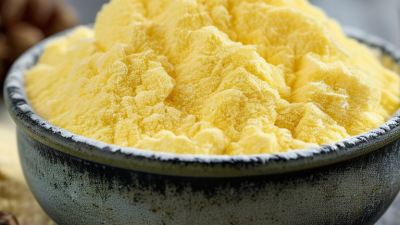
Sourcing Ethyl P-Hydroxybenzoate requires more than comparing prices on a supplier spreadsheet. Reliable purchasing begins with identity, purity, traceability, and consistent technical support. The material may look like a fine white crystalline powder, yet small differences in assay, moisture, or packaging can affect production results.

Dr. Linda M. Katz, former director of the U.S. FDA’s Office of Cosmetics and Colors, stated, “There is no scientific evidence that the use of parabens in cosmetics has any effect on human health.” This statement does not replace responsible evaluation. It highlights the need for evidence-based decisions, clear specifications, and appropriate product applications.

A dependable supplier should provide a current Certificate of Analysis, Safety Data Sheet, batch number, origin details, and documented quality procedures. Confirm whether the supplier supports GMP-based manufacturing and can explain its testing methods. Ask about assay, melting range, residual solvents, heavy metals, microbiological limits, and storage conditions. Packaging should protect the powder from moisture, contamination, and excessive heat. Samples matter. Test them under your actual process conditions before approving a larger order.

Supplier audits can reveal practical details. Is the warehouse clean? Are labels readable? Can the sales team answer technical questions without guessing? These small observations carry weight. No checklist is perfect. A polished website can still hide weak traceability. Conversely, a smaller manufacturer may offer stronger technical communication. Compare evidence, not appearances, and keep written records for every decision. Reliable sourcing is built slowly, batch by batch.

How to Source Ethyl P Hydroxybenzoate from Reliable Suppliers?

What Is Ethyl P-Hydroxybenzoate and Where Is It Used?

Ethyl P-Hydroxybenzoate, commonly called ethylparaben, is an ester of p-hydroxybenzoic acid. It usually appears as a white, crystalline powder with a faint odor. The ingredient dissolves more easily in alcohol than in water. This property matters during formulation. It may help control microbial growth in creams, lotions, pharmaceutical preparations, and selected food products where regulations permit its use. It is not suitable for every product. Compatibility, concentration, and local requirements must be checked carefully.

In practical sourcing, reliable suppliers should provide a current certificate of analysis, clear batch numbers, assay results, and impurity limits. Ask about manufacturing controls, packaging conditions, and traceability. A sealed sample should match the specification in appearance and testing. A certificate alone is not proof of quality. Independent laboratory verification may still be sensible, especially for large orders. One overlooked detail is storage. Moisture, heat, and poor labeling can complicate later testing.

Tips: Request a small sample first. Compare it with the technical specification. Confirm whether the material is intended for cosmetic, pharmaceutical, or food-related use. Check documentation before discussing price. Ask how the supplier handles deviations and customer complaints. Do not rely only on a polished website. That can be misleading. A careful review may feel slow, but it reduces costly reformulation and uncertain supply decisions.


Which Quality Standards Should Reliable Suppliers Meet?

How to Source Ethyl P Hydroxybenzoate from Reliable Suppliers?

Reliable suppliers should meet clear, verifiable quality standards for Ethyl P Hydroxybenzoate. A current Certificate of Analysis should show identity, assay, appearance, melting range, and impurity levels. The test methods must be identified, not simply labeled “approved.” Independent laboratory results can strengthen confidence when the material supports sensitive formulations.

Good suppliers should follow documented quality systems, such as GMP principles or relevant ISO procedures. Their production records need batch numbers, raw material sources, processing dates, and release approvals. Traceability matters when a deviation appears months later. Ask for representative samples from the actual commercial batch. A bright white powder alone proves very little.

Testing should also address residual solvents, moisture, heavy metals, and microbiological limits where the application requires them. Packaging should protect the material from heat, moisture, and contamination. Sealed inner liners, readable labels, and suitable storage instructions are practical details. Suppliers should explain their change-control process and provide advance notice of specification changes.

During qualification, compare several batches rather than trusting one perfect report. I have found that small differences can reveal inconsistent crystallization or sampling. This step is sometimes skipped. That is a mistake. Review the supplier’s complaint handling, recall procedure, and document response time. Certificates should be consistent with laboratory records, not copied templates. A supplier who answers difficult questions clearly is often more dependable than one offering the lowest price. Even strong systems need periodic review, because paperwork can look complete while real-world handling remains weak.

Ethyl P-Hydroxybenzoate Supplier Quality Benchmarks

Reliable suppliers should provide batch-specific test results demonstrating compliance with applicable pharmacopeial requirements. The chart shows commonly used benchmark limits for ethyl P-hydroxybenzoate, also known as ethylparaben. These are specification thresholds, not measured results from any individual supplier; always confirm the current applicable monograph and purchase specification.

How to Verify Supplier Credentials and Product Documentation

When sourcing Ethyl P Hydroxybenzoate, verify the supplier before reviewing the price. Request the company’s legal registration, manufacturing address, quality contact, and current ISO 9001 certificate. The ISO Survey 2023 recorded 1,265,216 ISO 9001 certificates worldwide, but certification alone does not prove product conformity. Check the certificate scope, issuing body, expiry date, and listed site. A trading office should not present a factory certificate as its own.

Ask for a lot-specific Certificate of Analysis, not a generic template. It should show batch number, test methods, assay, melting range, water content, and impurity results. For sensitive applications, request residual solvents, heavy-metal limits, and microbiological data. Compare the methods with recognized pharmacopeial or validated procedures. The supplier should also provide an SDS, specification sheet, allergen statement, origin details, and change-notification policy. OECD Good Laboratory Practice principles emphasize documented procedures, traceable data, and independent quality oversight. Those details matter.

Request a sample from the same production lot. Then compare its appearance and laboratory results with the documents. I have seen polished paperwork hide weak traceability. That is easy to miss. Confirm transport conditions, retest dates, packaging photographs, and retained-sample practices. If answers arrive late or conflict, pause the purchase. A perfect certificate is still only a document; supplier behavior is part of the evidence.

How to Source Ethyl P Hydroxybenzoate from Reliable Suppliers? - How to Verify Supplier Credentials and Product Documentation

No. Verification Dimension Verified Data or Requirement Evidence to Request Acceptance Check Priority
1 Correct chemical identity Ethyl parahydroxybenzoate, commonly called ethylparaben; CAS No. 120-47-8 Product specification, label, certificate of analysis (COA), and safety data sheet (SDS) The chemical name, CAS number, and product description must match across all documents. Critical
2 Molecular information Molecular formula: C9H10O3; relative molecular mass: approximately 166.18 g/mol Technical data sheet and analytical specification Formula and molecular mass should correspond to ethyl parahydroxybenzoate, not another paraben ester. Critical
3 Physical description White or almost white crystalline powder is the expected general description. Current-batch COA, product specification, and representative sample Sample appearance must be consistent with the specification and free from visible contamination, unusual discoloration, or caking. High
4 Assay and purity The required assay range must be taken from the applicable current monograph or buyer-approved specification; a commonly used compendial range is 98.0%–102.0% on the applicable basis. Lot-specific COA showing result, specification limit, test method, and reporting basis The result must meet the exact specification stated in the purchase agreement or applicable pharmacopoeia. Critical
5 Identification testing Identity should be confirmed using a suitable validated technique such as infrared spectroscopy, chromatography, or another compendial method. COA with identity result and test method; method summary or validation status when required Identification result must be reported as compliant for the supplied lot. Critical
6 Related substances and impurities Impurity limits must be defined according to the intended use, applicable monograph, and risk assessment. Potential related substances include other parabens, unreacted starting materials, and process by-products. Impurity profile, chromatogram where applicable, specification, and lot-specific results No undocumented impurity limit, missing result, or unexplained change in the impurity profile. High
7 Residual solvents Residual solvents should be controlled using applicable ICH Q3C limits or the buyer's approved risk-based limits. Residual-solvent test results, analytical method, and manufacturing-process statement Results must comply with the agreed limits; “not tested” is unacceptable when solvent risk is identified. High
8 Water and storage stability The supplier should define water or loss-on-drying limits, shelf life, storage conditions, and retest period. COA, stability data or justification, retest policy, and packaging specification Shelf life and storage conditions must be supported by documented data and printed on the product label or accompanying documents. High
9 Heavy metals and elemental impurities Limits should be established according to intended application, regional regulations, and an elemental-impurity risk assessment. Elemental impurity statement or test report, analytical technique, and risk assessment The report must identify the tested elements, detection capability, and applicable acceptance limits. High
10 Microbiological quality Microbial limits depend on the intended use and regulatory category; they should not be assumed from the chemical identity alone. Microbiological test report and approved microbiological specification, when applicable The supplier's limits and test frequency must match the buyer's intended application. Medium
11 Supplier legal identity The legal entity, manufacturing site, invoicing entity, and shipping entity should be clearly identified and consistent. Business registration, tax or company identification document, manufacturing-site address, and authorized-contact details Verify documents independently using the relevant government or official registry where available. Critical
12 Quality-management system The supplier should operate a documented quality system appropriate for the product's intended use. Current ISO certificate, GMP statement or certificate where applicable, quality manual summary, and audit questionnaire Check certificate scope, issuing body, site address, validity period, and certificate status. High
13 Batch traceability Each shipment should be linked to a unique batch or lot number and a defined manufacturing date or production period. Batch record summary, lot-number policy, production date, expiry or retest date, and chain-of-custody information The lot number on the container, COA, packing list, and invoice must match. Critical
14 COA authenticity A valid COA should be lot-specific, dated, authorized, and contain methods, results, units, limits, and a clear pass statement. Signed or electronically controlled COA issued by the testing laboratory or quality unit Confirm the document through an independently verified supplier contact and compare it with the delivered packaging. Critical
15 SDS and regulatory classification The SDS should follow the applicable GHS format and include hazard classification, handling, storage, transport, and exposure-control information. Current SDS with revision date, regulatory-region coverage, and emergency contact information SDS identity must match the product and be current for the destination market. Critical
16 Packaging and transport Packaging should protect the powder from moisture, contamination, physical damage, and unauthorized opening during transport. Packaging specification, palletization details, seal information, shipping conditions, and packing list Inspect seals, labels, container integrity, net weight, and evidence of moisture or tampering upon receipt. High
17 Pre-shipment sample approval A representative sample should be evaluated before commercial purchase or scale-up. Sample COA, retained sample reference, internal test results, and sample-to-batch linkage Approve only when identity, purity, appearance, and application-specific tests meet the agreed specification. Critical
18 Change-control commitment The supplier should notify the buyer before changes to raw materials, process, site, specification, testing laboratory, packaging, or manufacturing location. Quality agreement, change-notification procedure, and deviation or complaint procedure Written notification timelines and responsibilities must be defined before approval. High
Procurement note: Final acceptance limits should be aligned with the intended application, destination-market regulations, and the current applicable pharmacopoeial or customer specification.

How to Compare Pricing, Packaging, Lead Times, and Shipping Terms

When sourcing Ethyl P Hydroxybenzoate, compare offers on an equal specification. A low price may reflect lower purity, a larger minimum order, or excluded testing fees. Request the assay range, moisture limit, particle size, and applicable quality standard. Ask for a recent certificate of analysis, safety data sheet, and batch traceability documents. Small samples should match the proposed production lot.

Pricing needs careful detail. Record the currency, payment terms, minimum order quantity, and whether inspection charges are included. Packaging also affects the real cost. Check net weight, inner liners, drum or bag material, pallet arrangement, and label information. Moisture-sensitive material needs sealed packaging. A cheaper package can create repacking losses later. It happens more often than buyers expect.

Lead time should separate production time from dispatch time. Confirm whether the quoted period begins after payment, order approval, or specification confirmation. Ask about reserved capacity during peak seasons. Shipping terms such as EXW, FOB, CIF, or DDP change insurance, customs responsibility, and final delivery costs. Request a written freight estimate to your actual destination. I have seen comparisons fail because buyers counted only the product price. That mistake is avoidable. Still, estimates can change with fuel rates, port delays, or documentation problems. Keep a small timing buffer. Evaluate the supplier’s communication during sample approval, not just the speed of the quotation. Clear answers are useful evidence of operational reliability.

How to Evaluate Samples and Complete a Safe Supplier Agreement

Reliable sourcing starts with a controlled sample, not a polished sales sheet. Request two sealed lots of ethyl p-hydroxybenzoate from different production dates. Inspect the crystals for uniform color, dry texture, and unusual odor. Then use an ISO/IEC 17025-accredited laboratory for confirmation. Test identity, assay by HPLC, water content, residual solvents, heavy metals, and microbiological quality where relevant. Compare the results with the agreed specification and the applicable USP–NF or Food Chemicals Codex monograph. One clean sample is not enough. I have seen paperwork look stronger than the material.

A safe supplier agreement should identify the exact chemical name, CAS number, grade, packaging, shelf life, and batch-release documents. Require a signed certificate of analysis, safety data sheet, lot traceability, and written notice before any material, process, or site change. Define sampling rights, independent retesting, nonconforming-batch handling, transport conditions, and recall cooperation. Supplier audits should verify calibrated instruments and retained samples, not just warehouse appearance. The FAO/WHO JECFA evaluation reports a group acceptable daily intake of 0–10 mg/kg body weight for certain parabens, including ethylparaben; this supports risk assessment, not automatic approval. (FAO/WHO JECFA, additive evaluation database.) Keep the agreement practical. An impressive clause that nobody can enforce is only decoration.