Leave Your Message

What Is Methyl-P-Hydroxy Benzoate Used For?

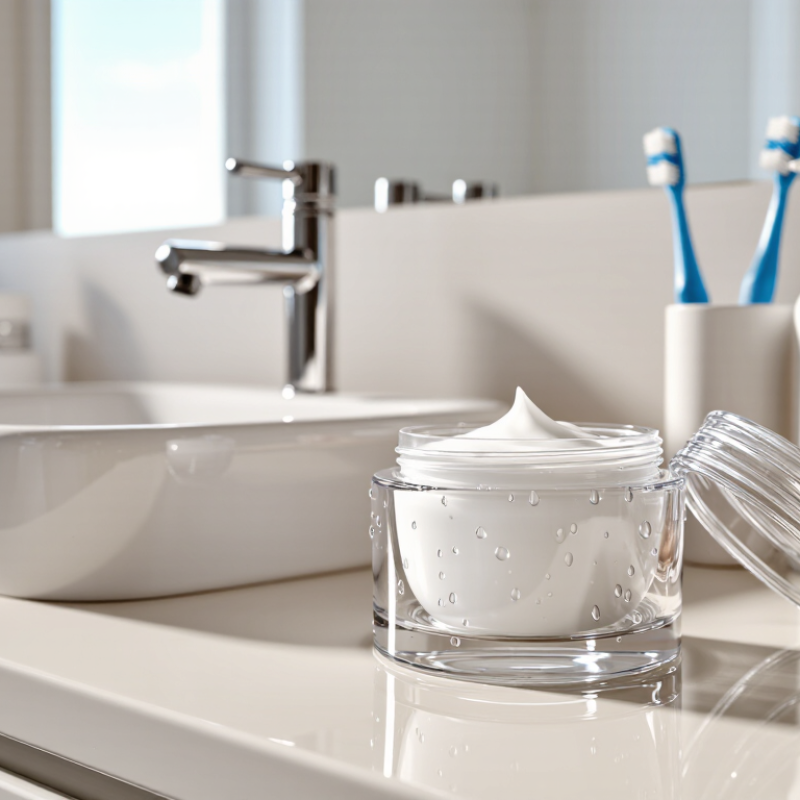
Methyl-P-Hydroxy Benzoate is a preservative commonly known as methylparaben. It is used in some cosmetics, personal-care products, and medicines to limit the growth of microorganisms. That matters when a product contains water and may be opened repeatedly. A cream jar beside a bathroom sink, for example, faces more exposure than a sealed, single-use package. Preservatives help protect product quality during storage and use. They do not make every product sterile.

Its purpose is practical, but the details depend on the formulation. The amount used, the other ingredients, and the package can all affect how well a preservative works. Methyl-P-Hydroxy Benzoate may appear on an ingredient label under a different name, so checking the full label is useful. Small detail. Some people can experience irritation or sensitivity, and an ingredient’s presence alone cannot predict an individual reaction. If a product causes persistent discomfort, stop using it and seek advice from a qualified health professional. This article explains where the compound is used, what it does in a formula, and what its presence does—and does not—tell you about a product. Preservative science can sound simple. In practice, it is not always simple, and product-specific evidence matters.
What Is Methyl-P-Hydroxy Benzoate Used For?

Chemical Identity and Key Properties

Methyl p-hydroxybenzoate, commonly called methylparaben, is an ester of p-hydroxybenzoic acid. Its molecular formula is C8H8O3, and its molar mass is about 152.15 g/mol. The compound is typically a white, crystalline solid. Its melting point is around 125–128°C, though reported values can vary slightly with sample purity and measurement conditions. A small amount can look like fine, pale grains in a laboratory dish.

Its structure includes both an aromatic ring and an ester group, along with a hydroxyl group. These features help explain its behavior: it dissolves poorly in water but more readily in some alcohols and other organic solvents. Methyl p-hydroxybenzoate is used as a preservative in certain personal-care and pharmaceutical products because it can limit the growth of some microorganisms. The exact formulation matters; its performance depends on factors such as concentration, pH, and the other ingredients present. It is not a universal preservative.

Tips: When checking a product ingredient list, look for “methylparaben.” For laboratory handling, consult the substance’s safety data sheet and avoid relying on appearance alone to identify a chemical. A white powder is not proof of identity.
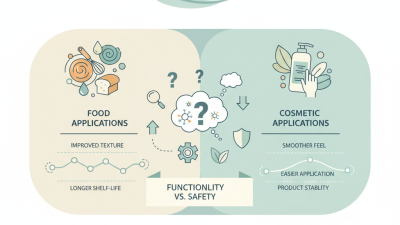
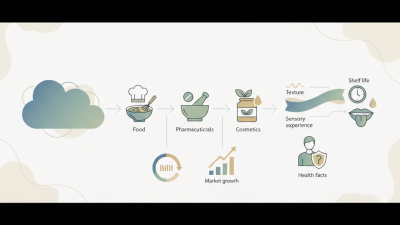
What Is Methyl-P-Hydroxy Benzoate Used For? — Chemical Identity and Key Properties

Methyl p-hydroxybenzoate, also known as methylparaben, is used as an antimicrobial preservative in some cosmetic and pharmaceutical products.

Chemical identity: C₈H₈O₃; molar mass 152.15 g/mol. Its melting point is approximately 125–128°C. The chart shows the atom counts in one molecule, as indicated by its molecular formula.

How Methyl-P-Hydroxy Benzoate Prevents Microbial Growth

Methyl-P-hydroxy benzoate, commonly called methylparaben, helps prevent bacteria, yeasts, and molds from multiplying in certain products. It is a preservative, not a sterilizer. Small amounts matter. By interfering with microbial cell processes, it makes growth harder, helping a product stay usable during storage and repeated handling. The exact effect depends on the product’s formula, including its acidity, water content, and other ingredients.

Its protection is not identical against every microorganism. Some bacteria are less sensitive, so formulators may combine preservatives or adjust the formula. That distinction is easy to overlook: a preservative can slow growth without making contamination impossible. Careful testing helps confirm that a finished product remains protected under expected storage and use conditions. In practice, this means checking how well the preservative performs in the actual mixture, rather than relying on the ingredient alone. It can be tempting to treat one familiar preservative as a complete safeguard, but that would be too simple. Appropriate concentration and product-specific testing are essential.

Its Uses in Cosmetics, Medicines, and Food

Methyl p-hydroxybenzoate, often called methylparaben, is a preservative used to slow the growth of certain fungi and bacteria. In cosmetics, it may appear in lotions, shampoos, creams, and makeup. These products can be opened repeatedly and exposed to fingers, air, or moisture. Preservatives help maintain product quality during use, though they do not make a product sterile. Small amounts matter.

Medicines may also contain methylparaben, especially some liquid or topical formulations that need protection from microbial contamination. The ingredient is not the active medicine; it supports the formulation. Its presence and concentration depend on the product. People with a known sensitivity should check ingredient labels and ask a pharmacist or clinician about alternatives. Skin reactions can happen, even if they are uncommon.

In food, methylparaben has been used as a preservative in some products, but its permitted uses differ by country and product category. Check local rules and the package label rather than assuming it is allowed everywhere. A preservative’s purpose is practical, not a promise of perfect safety or freshness. That distinction matters. Ingredient names can also be easy to overlook on small labels.

Safety, Exposure, and Possible Side Effects

Methyl-P-Hydroxy Benzoate, commonly called methylparaben, helps prevent bacteria and mold from growing in cosmetics and some medicines. You may find it in a lotion or cream kept beside a bathroom sink. Preservatives matter because contaminated products can irritate skin or cause infection. But presence alone does not tell you how much exposure a person receives.

The European Commission’s Scientific Committee on Consumer Safety (SCCS) concluded that methylparaben is safe in cosmetics at concentrations up to 0.4% when used alone, or 0.8% in mixtures of certain parabens. These are formulation limits, not a measure of personal risk from every product.

The Cosmetic Ingredient Review’s safety assessment likewise evaluated parabens at levels used in cosmetics. Still, exposure depends on how often a product is applied, how much is used, and whether it stays on the skin or is rinsed away.

Most people tolerate methylparaben. Some may experience redness, itching, or irritation; allergic contact reactions are considered uncommon. Broken or inflamed skin can react differently.

Not zero risk.

If a product repeatedly causes a rash, stop using it and ask a healthcare professional about possible causes. The ingredient list can help, though it cannot diagnose an allergy. Evidence has limits, and everyday exposure is not identical for everyone.

Storage Practices and Regulatory Standards

Methyl-p-hydroxy benzoate, often called methylparaben, is used as a preservative in some products. Its storage conditions matter because moisture, heat, and contamination can affect material quality. Keep the container tightly closed in a cool, dry place, away from direct sunlight and strong heat sources. Keep it dry. Use the temperature range stated on the product label or safety data sheet; do not guess from another material’s instructions. A clean, dry scoop helps prevent residues from entering the container. It is a small detail, but easy to miss during busy handling.

Regulatory requirements depend on the product type and the market where it is sold. Permitted uses, concentration limits, labeling rules, and quality specifications may differ for cosmetics, medicines, and other applications. Check current official requirements before using the ingredient in a formulation. Good records matter: retain supplier specifications, safety documentation, batch details, and inspection notes. Follow applicable manufacturing and hygiene procedures, and check packaging for leaks, damaged seals, or unexpected changes in appearance. If storage history is uncertain, pause use and seek qualified quality advice rather than relying on a quick visual check alone.

What Is Methyl-P-Hydroxy Benzoate Used For? – Storage Practices and Regulatory Standards
Dimension Information Practical or Regulatory Context
Identity Methyl p-hydroxybenzoate is commonly known as methylparaben. Its food-additive number in the European Union is E218. Check the ingredient name and applicable specification when reviewing a product or formulation.
Primary function It is an antimicrobial preservative used to help limit the growth of certain microorganisms. Its effectiveness depends on the formulation, concentration, pH, and the microorganisms involved; it does not replace good manufacturing practices.
Common applications Used in some cosmetics, personal-care products, medicines, and foods where permitted. Use is product- and jurisdiction-specific. It is not permitted for every product category or at any chosen concentration.
Cosmetics in the EU EU cosmetics rules list methylparaben and ethylparaben, including their salts, as permitted preservatives subject to concentration limits. The maximum is 0.4% (as acid) for a single ester and 0.8% (as acid) for mixtures of these esters. Verify the current Cosmetics Regulation and product-specific requirements before use.
Food in the United States Methylparaben is listed in 21 CFR § 184.1490 as a substance affirmed as generally recognized as safe for specified food uses. Use is subject to the regulation’s conditions, including current good manufacturing practice; the listing is not a blanket authorization for every food or use.
Food in the EU E218 is regulated as a food additive, with permitted uses and maximum levels set for specified food categories. Check the current EU food-additives rules and the relevant category entry. Do not assume one maximum level applies to all foods.
Cosmetics in the United States Cosmetic ingredients generally are not subject to premarket approval by the FDA, apart from applicable exceptions such as color additives. The responsible business must ensure the product is safe and properly labeled and must comply with applicable federal and state requirements.
Storage practices Keep in a tightly closed, appropriately labeled container in a cool, dry, well-ventilated place. Protect from excessive heat, moisture, and contamination. Follow the supplier’s current safety data sheet and product specification for exact temperature, handling, and storage limits.
Handling and quality Use clean, dry handling equipment and avoid introducing water or foreign material into the container. Apply suitable workplace controls and personal protective equipment based on the safety data sheet and the task being performed.
Regulatory check Requirements can differ by country, product type, concentration, and intended use, and may change over time. Confirm current local regulations, product specifications, labeling rules, and safety documentation before manufacture or sale.
Reference points: U.S. Code of Federal Regulations, 21 CFR § 184.1490; European Commission Regulation (EC) No 1223/2009 on cosmetic products, Annex V; and EU food-additive rules under Regulation (EC) No 1333/2008, as amended. This summary is general information, not a substitute for checking current official requirements.