Liquid Xanthan Gum Benefits and Tips for Global Buyers
Liquid Xanthan Gum is an essential ingredient in various industries. Its unique properties offer numerous advantages, making it a popular choice among manufacturers. This versatile thickening agent is widely used in food, cosmetics, and pharmaceuticals. Understanding its benefits can help global buyers make informed decisions.
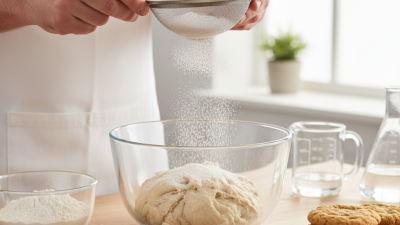
In the food industry, Liquid Xanthan Gum acts as a stabilizer and emulsifier. It improves texture and consistency in sauces, dressings, and baked goods. Buyers should note that quality can vary significantly among suppliers. Look for reputable sources to ensure product reliability.
However, it's crucial to evaluate your specific needs when purchasing. Some products may not meet your expectations, leading to potential waste. Start with small quantities to test effectiveness before committing to larger orders. This approach helps in making better purchasing decisions and minimizes risks.
Benefits of Liquid Xanthan Gum in Food and Beverage Industry
Liquid xanthan gum has gained significant traction in the food and beverage industry due to its versatile applications. This natural thickening agent is used to stabilize emulsions, preventing separation in products like salad dressings or sauces. According to the Journal of Food Science, xanthan gum can improve texture and mouthfeel in food products. In the beverage sector, it enhances suspension, keeping particles evenly distributed in drinks, which is vital for both and quality.
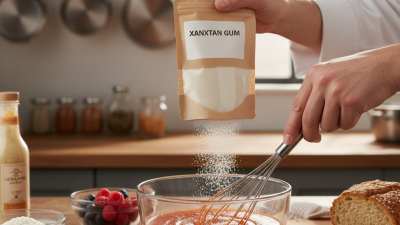
When incorporating liquid xanthan gum, a recommended usage level is between 0.1% to 0.5% of the total formulation. Always remember to hydrate it in cold water before adding it to heated mixtures. Hydration is crucial for achieving its full thickening potential, ensuring consistency in your final product.
For buyers, understanding sourcing options is essential. High-quality suppliers often produce more consistent batches of xanthan gum. Evaluate options to ensure you select a reliable source. Monitoring the viscosity over time is also necessary. Some formulations may require adjustments to maintain desired outcomes as they sit.
Key Applications of Liquid Xanthan Gum in Global Markets
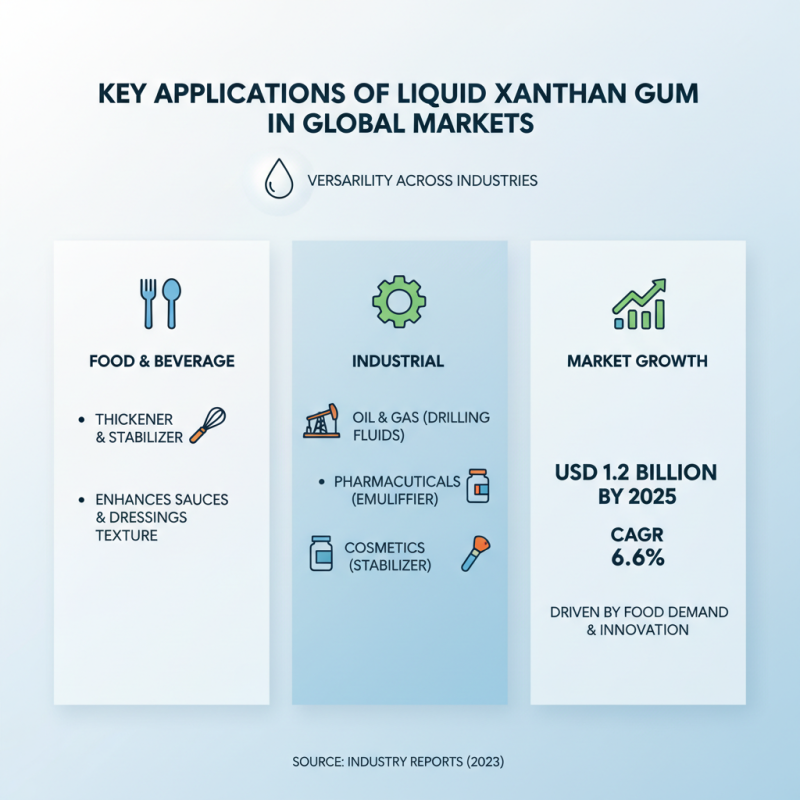
Liquid xanthan gum is widely recognized for its versatility across various industries. In the food sector, it acts as a thickener and stabilizer, enhancing texture in sauces and dressings. According to industry reports, the global xanthan gum market is expected to reach USD 1.2 billion by 2025, growing at a CAGR of 6.6%. This growth is driven by food demands and innovations in product formulation.
In the personal care industry, liquid xanthan gum is used to improve product stability and viscosity in lotions and shampoos. It forms a gel-like consistency, making products more appealing to consumers. As awareness of sustainable ingredients rises, many manufacturers are seeking out natural, plant-based components like xanthan gum to attract eco-conscious buyers.
**Tips for Global Buyers:** When sourcing liquid xanthan gum, consider the supplier's certifications and production methods. Ensure they comply with food safety standards. It's also helpful to request samples before large orders. Test product performance in your specific applications, as different formulations can yield varying results. Always stay updated on market trends and shifts in consumer preferences, as these can affect your product formulations and sourcing decisions.
Nutritional and Functional Properties of Liquid Xanthan Gum
Liquid xanthan gum is gaining attention for its unique properties. As a polysaccharide, it enhances the texture and stability of various products. Its ability to retain moisture makes it an excellent ingredient in sauces, dressings, and baked goods. The viscosity it provides can be critical in achieving the desired mouthfeel.
In terms of nutritional benefits, liquid xanthan gum is low in calories. It also serves as a source of soluble fiber, which is essential for digestive health. However, it is vital to use it in moderation. Some may experience gastrointestinal discomfort if consumed in large amounts. Buyers should understand these nuances to avoid potential issues.
Its versatility is noteworthy, but challenges remain. Sourcing consistent quality can be difficult, as batches may vary. Buyers should seek reliable suppliers to ensure product effectiveness. When using liquid xanthan gum, it's essential to experiment to find the right balance in formulations. Each application may require adjustments to achieve optimal results. Understanding your product and its needs is key.
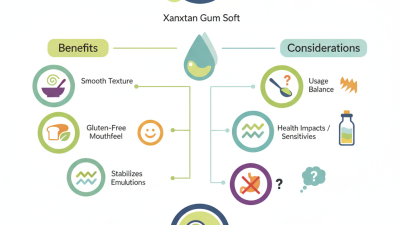
Liquid Xanthan Gum Benefits and Tips for Global Buyers - Nutritional and Functional Properties of Liquid Xanthan Gum
| Property |
Description |
Benefits |
| Thickening Agent |
Used to increase viscosity in various food products. |
Enhances texture and mouthfeel in sauces and dressings. |
| Stabilizer |
Prevents separation of ingredients in emulsions. |
Improves product shelf life and consistency. |
| Gluten-Free |
Suitable for gluten-sensitive diets. |
Allows for the creation of gluten-free products with desired texture. |
| Emulsifier |
Helps blend oil and water-based ingredients. |
Creates stable emulsions in dressings and sauces. |
| Water Retention |
Captures and holds moisture in products. |
Enhances freshness and reduces dehydration in baked goods. |
| Nutritional Properties |
Contains low calories and a soluble fiber. |
May aid in digestion and enhance gut health. |
Market Trends and Demand for Liquid Xanthan Gum Worldwide
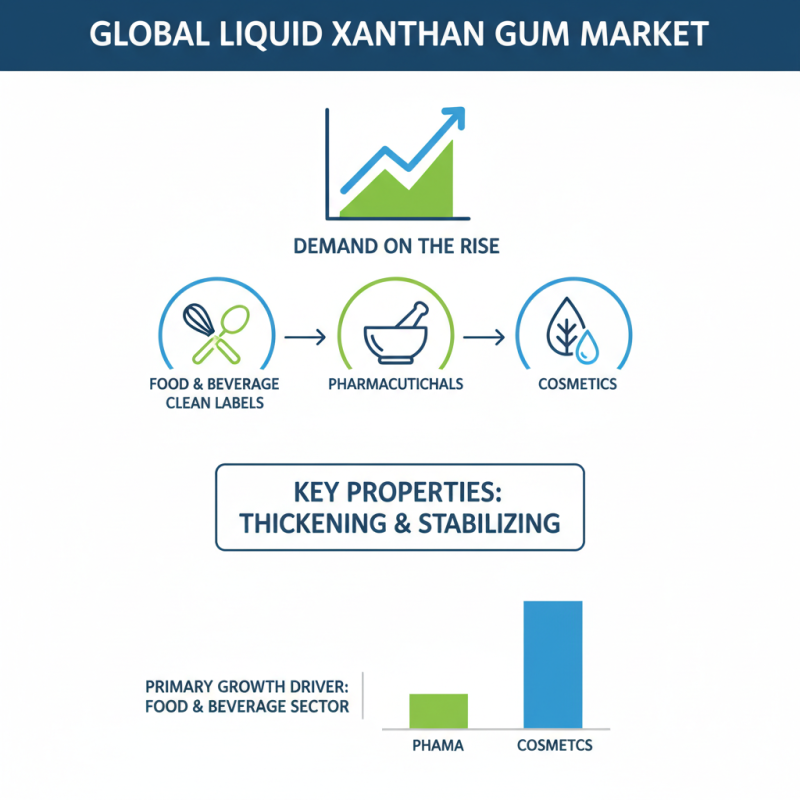
The global demand for liquid xanthan gum is on the rise. This ingredient plays a crucial role in various industries like food, pharmaceuticals, and cosmetics. Its thickening and stabilizing properties make it a preferred choice among manufacturers. The food and beverage sector, in particular, significantly drives this growth. As consumers seek cleaner labels, demand for natural ingredients like xanthan gum has surged.
Market trends indicate a noteworthy interest in sustainable sourcing. Buyers must focus on ingredient transparency. Suppliers should provide clear information regarding the sourcing and production processes. This commitment to sustainability enhances consumer trust. Adopting eco-friendly practices can differentiate your business in a crowded market.
For buyers, understanding regional preferences is essential. Certain regions may prefer liquid forms, while others may opt for powders. Always stay updated on potential price fluctuations. This can impact your procurement strategy. Consider building relationships with multiple suppliers to ensure a steady supply. Balancing cost efficiency and quality can sometimes feel challenging. Regularly reassess your suppliers and contracts.
Guidelines for Sourcing High-Quality Liquid Xanthan Gum Products
When sourcing high-quality liquid xanthan gum, it's essential to consider the viscosity and texture. The consistency should be smooth and uniform. Buyers should note the importance of transparency in the sourcing process. Reliable suppliers often provide detailed specifications and samples. Testing the product before placing a large order can prevent issues later.
Understanding the production methods is crucial. Look for manufacturers that use fermentation and natural processes. This ensures that the xanthan gum is of high purity. Assessing the quality of raw materials used is also necessary. Sometimes, cheaper options may contain additives that affect performance. Reviews from other buyers can offer insights into the supplier's credibility.
It's good to remember that not all xanthan gums are created equally. Variations exist, impacting functionality in different applications. Misjudging the right type for your needs can lead to performance failures. Regular communication with suppliers can help clarify any doubts. Furthermore, it's beneficial to stay updated on industry trends and regulations to maintain high sourcing standards.
Liquid Xanthan Gum Market Analysis