2026 Best Xanthan Gum Bulk Uses and Benefits for Your Cooking Needs?
Xanthan Gum Bulk has become a staple ingredient in many kitchens. This versatile thickener offers a variety of benefits for cooking. It can stabilize sauces, improve texture in gluten-free recipes, and enhance the overall quality of dishes. Many chefs appreciate its ability to bind ingredients together seamlessly.
Using Xanthan Gum Bulk can transform everyday recipes. It allows you to create creamy sauces and rich dressings without added fats. This ingredient is especially valuable in gluten-free baking. It helps mimic the structure that gluten provides in traditional recipes. However, not everyone knows the correct amount to use. Too much Xanthan Gum can result in a gummy texture, which is less than ideal.
Experimenting with Xanthan Gum Bulk allows for culinary creativity. You gain the chance to refine textures and flavors in your meals. It requires practice to achieve the best results. Each dish is an opportunity to learn and improve. Consider consulting trusted resources for guidance and inspiration. Embracing Xanthan Gum can enhance your cooking journey significantly.
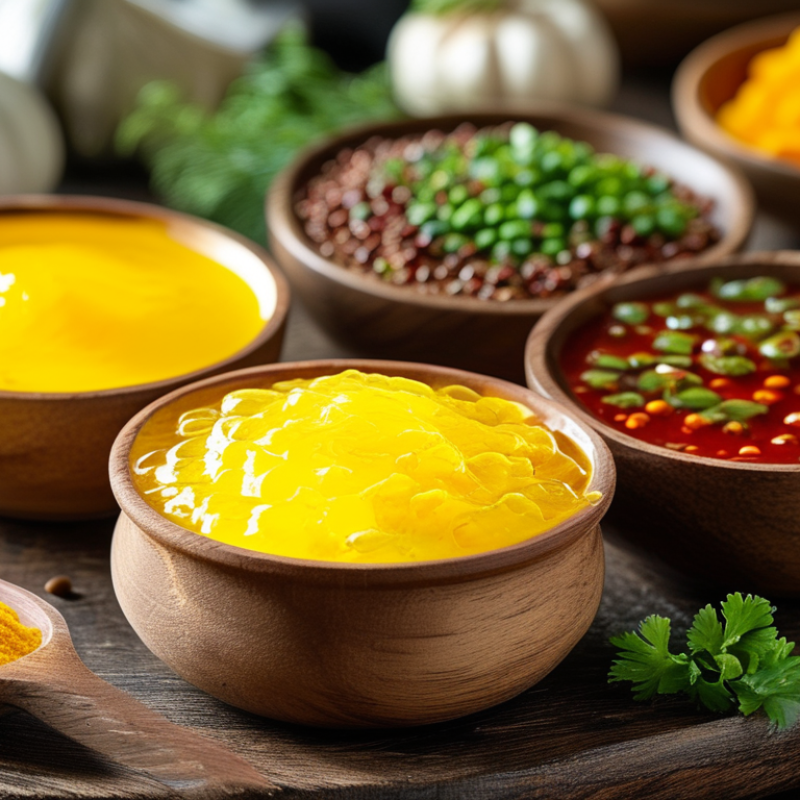
Overview of Xanthan Gum: What It Is and How It's Made
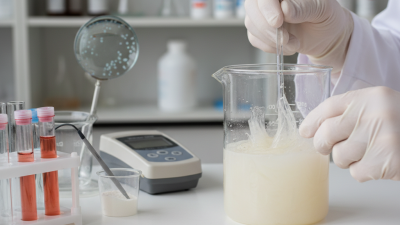
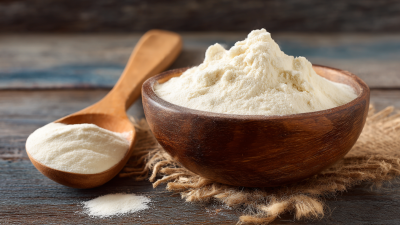
Xanthan gum is a popular food additive often used to improve the texture of recipes. It is a polysaccharide created by the fermentation of sugars by the bacterium Xanthomonas campestris. The process of making xanthan gum starts with a carbohydrate source, typically derived from corn or wheat. Once the fermentation is complete, the gum is extracted, purified, and then dried into a powder.
In cooking, xanthan gum serves as a thickener, stabilizer, and emulsifier. It is particularly beneficial in gluten-free baking, helping to mimic the elasticity that gluten provides. This allows for a better rise and structure in bread and pastries. Many cooks appreciate its ability to create a thick, smooth consistency in sauces and dressings. However, using too much xanthan gum can lead to undesirable textures. A careful balance is crucial for achieving the best results.
Despite its versatility, some people may experience digestive discomfort from xanthan gum. This reaction varies greatly between individuals. It's important to test recipes with small amounts and observe any changes. Understanding how xanthan gum works and experimenting with it can lead to delicious outcomes in your culinary adventures.
Top Culinary Applications for Xanthan Gum in Cooking
Xanthan gum is a natural thickening agent that has gained popularity in the culinary world. With the global food industry increasingly turning to plant-based and gluten-free alternatives, xanthan gum shines as a versatile ingredient. The Food and Agriculture Organization reports that it enhances texture and stability, particularly in sauces and dressings. This allows for more appealing dishes that cater to diverse dietary needs.
In cooking, xanthan gum plays a crucial role in creating gluten-free baked goods. It provides the necessary elasticity that is often missing when gluten is absent. Research shows that incorporating xanthan gum can improve the moisture retention in these products, ensuring they remain palatable. In a recent industry report, it was found that consumers favor gluten-free options that maintain a rich texture, making xanthan gum essential for any gluten-free recipe.
However, overuse of xanthan gum can lead to undesirable results. Too much can create a slimy texture, which may not be appealing. Chefs often need to experiment with the right amount to achieve the desired consistency. Finding the balance can be challenging. It's crucial to keep in mind that not every application may require xanthan gum. Proper usage will enhance the culinary experience without overpowering the dish.
Health Benefits of Using Xanthan Gum in Your Diet
Xanthan gum is a popular ingredient in many diets today. It is a thickening agent made from fermented sugars. This ingredient can improve the texture of many dishes, making them more enjoyable. For instance, it helps create that creamy consistency in sauces and dressings. This is especially beneficial for those on gluten-free diets, where traditional thickeners may not suffice.
In addition to enhancing texture, xanthan gum offers numerous health benefits. It can aid digestion by acting as a soluble fiber. This can promote gut health and regular bowel movements. Some people may find that it helps reduce cholesterol levels, which is important for heart health. These advantages make it a valuable addition to various recipes, from soups to baked goods.
However, there are some considerations. Not everyone tolerates xanthan gum well, and some may experience digestive discomfort. It is essential to start with small amounts to see how your body reacts. This is a reminder that everyone's digestive system is unique. Using xanthan gum mindfully can lead to tasty and healthier meals.
How to Use Xanthan Gum for Optimal Cooking Results
Xanthan gum is a versatile ingredient that can enhance your cooking in various ways. This natural thickener is commonly used in gluten-free recipes. It helps maintain the right texture in sauces and dressings. To use xanthan gum effectively, measure it accurately. A small amount can go a long way, typically just a quarter to half a teaspoon for every cup of liquid.
To achieve optimal results, add xanthan gum to dry ingredients first. This prevents clumping and ensures even distribution. If you’re making a smoothie or soup, blend it directly into the liquid for a smooth consistency. Keep in mind that using too much can lead to a gummy texture, so it’s essential to find the right balance. Experimenting with different amounts may be necessary to suit your palate.
Using xanthan gum isn’t solely for those avoiding gluten. It also improves texture in baked goods and frozen desserts. However, it's crucial to pay attention to the overall balance of your recipe. A simple adjustment could mean the difference between delightful or disappointing results. Adjusting liquid levels may also be necessary when incorporating xanthan gum. Enjoy the process of refining your culinary skills with this unique ingredient.
Tips for Choosing Quality Xanthan Gum for Bulk Purchase
When choosing quality xanthan gum for bulk purchase, consider the source. Look for products derived from non-GMO corn or other natural sources. This ensures you’re getting a product that’s both reliable and safe. The texture and color of xanthan gum can vary significantly. A quality product is often white to off-white and should be free from lumps.
Examine the packaging details. High-quality xanthan gum often comes in airtight packaging to maintain its freshness. Check for certification seals or quality assurance logos. These indicate that the product has met professional standards.
Keep in mind, not all brands are created equal. Some may have additives that can affect performance. Consider purchasing samples before committing to bulk. This allows you to test for flavor and consistency in your cooking. Remember, a thoughtful approach can lead to better cooking experiences. You might not always find the perfect product on your first try, but refining your choice can lead to richer culinary outcomes.
2026 Best Xanthan Gum Bulk Uses and Benefits for Your Cooking Needs
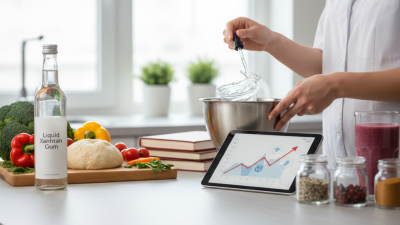
This chart illustrates the various applications and benefits of xanthan gum in cooking, showcasing the most common uses and their popularity based on user surveys.