What is the Best Pet Shampoo for Your Pet's Needs?
Choosing the right pet shampoo is essential for maintaining your pet's hygiene and health. A recent survey conducted by the American Pet Products Association revealed that 67% of U.S. households own a pet. Many pet owners either stick to regular grooming or overlook the importance of the right shampoo. Yet, using inappropriate products can lead to skin irritations and allergies in pets.
The global pet care market is expected to reach $232 billion by 2024, highlighting the demand for quality pet hygiene products. When selecting a pet shampoo, consider your pet's specific needs, such as skin type and coat length. Certain formulations cater to sensitive skin, while others may include ingredients for odor control.
Despite available options, many pet owners may choose insufficient products out of convenience. It's important to research and select the best pet shampoo that suits your furry friend. This guide aims to illuminate factors to consider in your search, providing clarity in a saturated market. Striking a balance between efficacy and safety will ensure your pet stays clean and comfortable.
What to Consider When Choosing Pet Shampoo
Choosing the right pet shampoo is crucial for your furry friend's health. Consider your pet's specific needs. Different pets have varying skin types and sensitivities. Some may require hypoallergenic formulas. Others might need shampoos that target specific issues, like fleas or dry skin.
Look for ingredients that promote skin health. Natural ingredients, such as oatmeal or aloe vera, can soothe irritation. Avoid shampoos with harsh chemicals. They can strip the coat of its natural oils, leading to dryness. Always check labels for potential allergens.
Regular grooming is essential to maintain your pet's coat. However, over-bathing can damage their skin. It's important to strike a balance. Consult a veterinarian for personalized advice, especially if your pet has special skin conditions. Reflect on your pet’s reaction after using a new shampoo. This can help guide your future choices.
Different Types of Pet Shampoos and Their Uses
Choosing the right pet shampoo is essential for maintaining your pet's hygiene and skin health. There are several types of pet shampoos, each designed for specific needs. For example, hypoallergenic shampoos cater to pets with sensitive skin. According to the American Animal Hospital Association, up to 20% of dogs experience skin issues at some point. Using a gentle, hypoallergenic formula can help soothe irritation without harsh chemicals.
Medicated shampoos are another category worth considering. These are often recommended for pets with conditions like fleas, fungal infections, or dermatitis. Research shows that about 30% of pets suffer from skin infections related to allergies or parasites. Using a medicated shampoo as instructed by your veterinarian can significantly improve your pet's comfort.
Moreover, there are dry shampoos, suitable for pets that are anxious about baths. These products cleanse and deodorize without water. Recent surveys suggest around 15% of pet owners prefer dry shampoos for their convenience. However, it’s essential to use them correctly; over-reliance might lead to skin build-up. Choosing the right shampoo requires understanding your pet’s unique needs.
How to Identify Your Pet's Specific Skin and Coat Needs
Understanding your pet's skin and coat needs is essential for their overall health. While some pets have oily skin, others may suffer from dryness or flakiness. Regular grooming helps to identify these issues. Check your pet's skin for signs of irritation, redness, or excessive scratching.
If your pet has sensitive or allergic skin, look for shampoos that are hypoallergenic. These are made with gentle ingredients that minimize irritation. Pets with thick coats might benefit from moisturizing shampoos to prevent matting and keep their fur shiny. Always read labels carefully to ensure you choose a product that matches your pet's specific needs.
It’s important to consider the season as well. Hot weather may require lighter, more refreshing shampoos, while cold months could call for richer, more hydrating options. Consult with a veterinarian if you're unsure which type of shampoo is best. They can provide authoritative guidance tailored to your pet's individual situation.
Key Ingredients to Look for in Pet Shampoos
When choosing a pet shampoo, key ingredients play a critical role in addressing your pet’s specific needs. Always check for hypoallergenic properties, particularly if your pet has sensitive skin. A study by the American Veterinary Medical Association indicates that around 10% of pets suffer from allergies. Ingredients like colloidal oatmeal and aloe vera can soothe irritation. These natural components hydrate the skin and provide much-needed relief.
Another important aspect is the inclusion of essential fatty acids. These are crucial for maintaining healthy skin and coat. Research shows that shampoos enriched with Omega-3 and Omega-6 can significantly reduce shedding. This can be particularly beneficial for pets prone to dry skin or excessive shedding.
Look for shampoos free from sulfates and parabens. These synthetic additives can disrupt the natural balance of your pet’s skin and lead to further issues. According to the Pet Care Association, the demand for chemical-free grooming products has increased by 22% over the last few years. Always do some research, because not all products are created equal. Finding the right balance between effectiveness and safety can be challenging but is essential for your pet’s overall health.
Tips for Bathing Your Pet Effectively with Shampoo
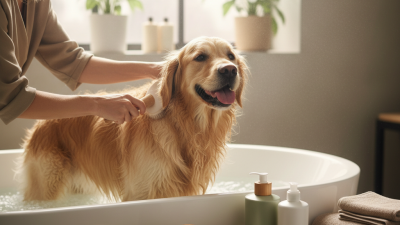
Bathing your pet can be a challenge, but with the right approach, it can become a more manageable task. According to the American Kennel Club, 60% of pet owners struggle with bath time. Remember, a calm environment is essential. Create a space free from distractions. This helps your pet feel safe and secure during the washing process.
Use lukewarm water to help your pet relax. Cold water can make your furry friend anxious, while hot water can irritate their skin. It’s also crucial to do a patch test of the shampoo on your pet’s skin to check for any allergic reactions. The ASPCA recommends using a specially formulated pet shampoo, as human shampoos can disrupt their skin’s pH balance.
Be gentle when applying the shampoo. Focus on areas that tend to collect dirt, like paws and underbelly. The goal is to clean without causing distress. After rinsing, drying is important too. Some pets may prefer a towel, while others might enjoy a low heat setting from a pet-safe dryer. Make sure the process is rewarding. Offer treats or praise to make the experience positive and build trust for future baths.