Xanthan Gum Bulk is a popular product in the food and cosmetic industries. It is derived from the fermentation of sugars by the bacteria Xanthomonas campestris. This thickening agent is known for its ability to enhance texture and stability in various formulations. As more consumers seek gluten-free options, Xanthan Gum Bulk has gained prominence as a key ingredient in many recipes and products.
Purchasing Xanthan Gum Bulk can be challenging. Different suppliers offer various qualities and prices. Understanding the sourcing, storage, and functionality of Xanthan Gum is crucial. It affects not just culinary applications but also skincare formulas. Moreover, not every product labeled as Xanthan Gum meets the same standards.
For those looking to buy Xanthan Gum Bulk, research is essential. Evaluating suppliers and their certifications adds to reliability. Reviews and testimonials from other users can provide insight. Diligence in choosing the right product will ensure that it meets your needs effectively. Making informed decisions can lead to successful outcomes in both cooking and formulation processes.
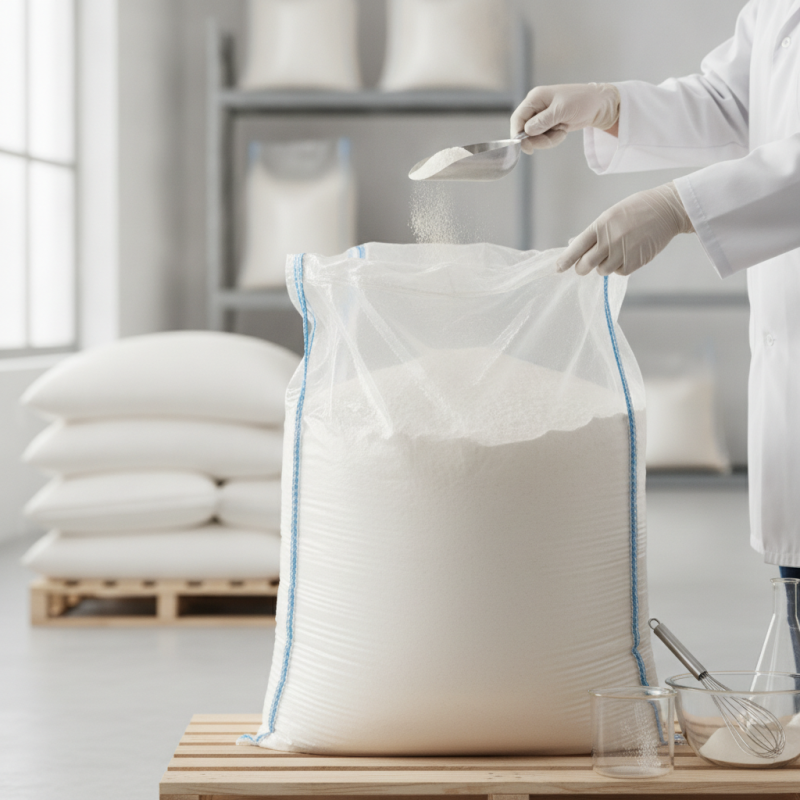
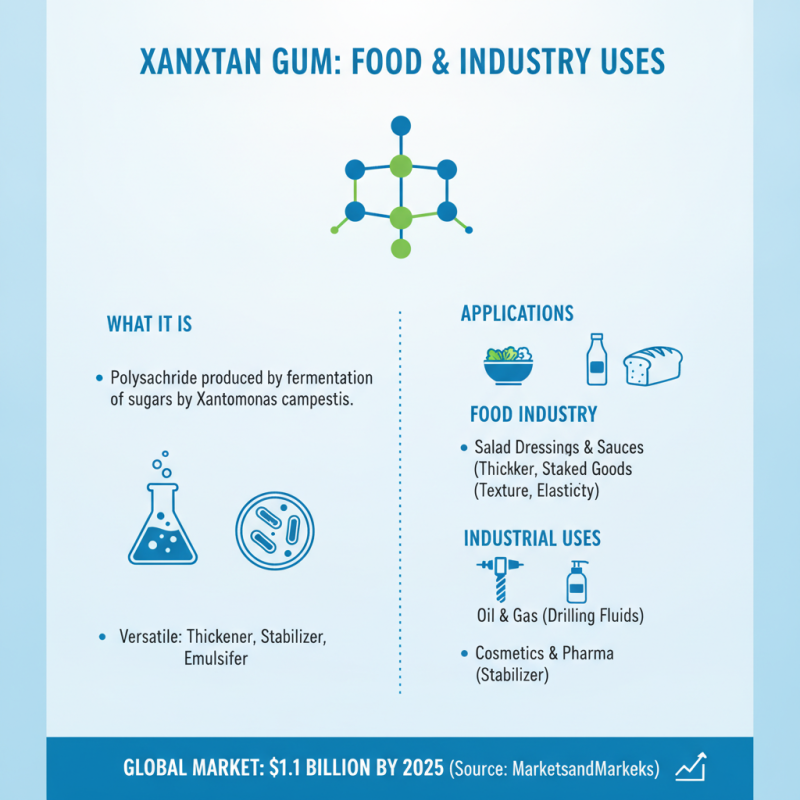
Xanthan gum is a versatile polysaccharide widely used in food and industrial applications. It is produced through the fermentation of sugars by the bacterium Xanthomonas campestris. In the food industry, xanthan gum acts as a thickener, stabilizer, and emulsifier in products like salad dressings, sauces, and gluten-free baked goods. A report by MarketsandMarkets indicates the global xanthan gum market is expected to reach USD 1.1 billion by 2025, reflecting its growing importance in food formulation.
In addition to food, xanthan gum plays a crucial role in various industries. It's utilized in cosmetics, pharmaceuticals, and oil drilling. Its ability to maintain viscosity and stability under varying conditions makes it valuable. Data from Research and Markets highlight that the demand for xanthan gum in the cosmetics sector is anticipated to grow due to the rising trend of natural ingredients. However, sourcing xanthan gum can sometimes lead to challenges. Quality can vary significantly between suppliers, affecting its functionality.
Some concerns regarding xanthan gum relate to its digestion. While it is generally recognized as safe, some individuals may experience digestive discomfort. As with any additive, the focus on quality and sourcing should not be overlooked. Emphasizing the importance of reliable suppliers can help mitigate potential issues. Careful evaluation of ingredient sources and product formulations is essential in harnessing xanthan gum's benefits fully.

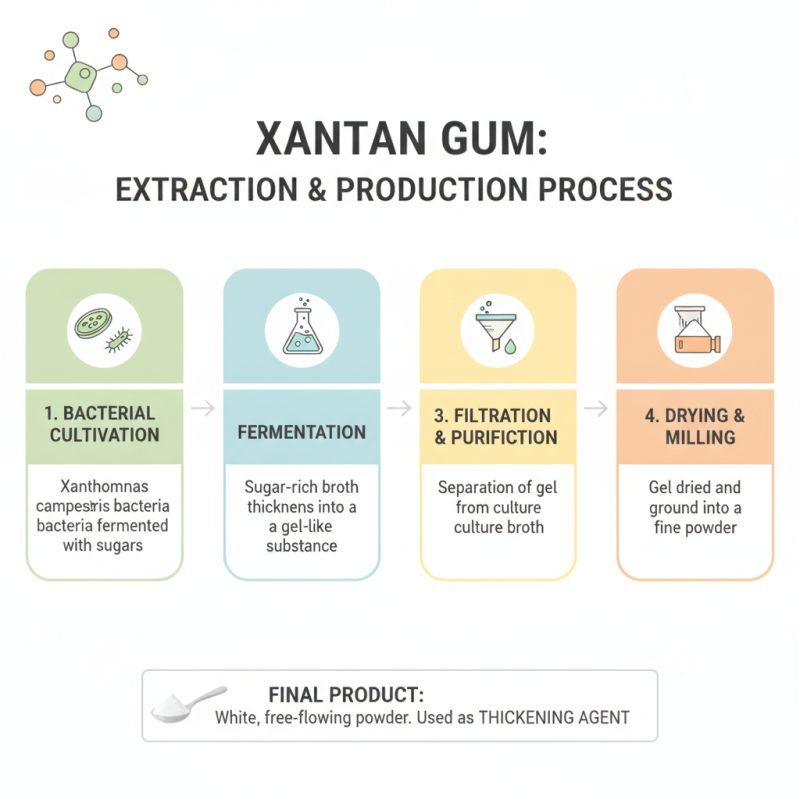
Xanthan gum is a popular thickening agent. It is derived from the fermentation of sugars by the bacteria Xanthomonas campestris. The extraction process begins with cultivating this specific bacterium in a controlled environment. After fermentation, the mixture thickens, forming a gel-like substance. This gel is then separated from the culture broth through a series of filtration and purification steps.
Once purified, the xanthan gum is dried and milled into a fine powder. This powder retains its thickening properties, making it versatile in various applications, from food products to cosmetics. The production method may sound straightforward, but there are challenges. For example, maintaining optimal fermentation conditions is crucial. If mismanaged, the quality of xanthan gum may suffer greatly.
Purchasing xanthan gum in bulk requires careful consideration. Look for reliable suppliers with a high reputation. Ensure that they adhere to quality standards. Factors such as storage and packaging can also impact the gum’s effectiveness. Hence, learning about these details is essential. Knowing about extraction and production helps buyers make informed decisions.
Xanthan gum is a widely used food additive known for its unique thickening and stabilizing properties. It is produced through the fermentation of sugars by the bacteria Xanthomonas campestris. This gum features a remarkable ability to enhance texture and viscosity in various applications, making it an essential ingredient in many industries.
One of the key benefits of xanthan gum is its effectiveness at low concentrations. Research indicates that just 0.5% xanthan gum can produce a significant thickening effect. This not only improves product texture but also contributes to shelf stability. In gluten-free baking, xanthan gum helps replicate the elasticity typically provided by gluten, ensuring better rise and crumb structure.
In the cosmetic industry, xanthan gum acts as a stabilizer in creams and lotions, preventing ingredient separation. Studies have shown that its use can enhance the sensory experience of these products. Furthermore, xanthan gum's ability to retain moisture adds additional value. Despite these benefits, some manufacturers face challenges with achieving the desired consistency and rehydration rates. Understanding the specific application requirements can lead to improvements in formulation processes.
When sourcing xanthan gum, start by researching reliable suppliers. Look for manufacturers with a strong reputation in the food industry. Their experience and certification can indicate quality. Some suppliers also offer organic or non-GMO options, which may be important depending on your needs.
Once you identify potential suppliers, request samples. Testing the product's consistency and flavor-enhancing properties is crucial. Pay attention to texture. Xanthan gum should provide a smooth mouthfeel without any grittiness. It’s not easy to find the right balance, so thorough testing is important.
Quality considerations extend beyond product samples. Review the supplier's production practices. Ask about their quality control measures. This practice can reveal potential issues before making larger purchases. You want to ensure you're not just buying a bulk product, but a trustworthy ingredient for your recipes. Look for detailed product specifications, and be aware of storage requirements. This can impact the gum's effectiveness.
| Specification | Details | Quality Standards | Pricing (per Kg) |
|---|---|---|---|
| Form | Powder | Food Grade | $15.00 |
| Viscosity | High | API Standard | $18.00 |
| Origin | Fermented from corn | Non-GMO | $16.50 |
| Packaging | 25 Kg Bag | ISO Certified | $14.00 |
| Shelf Life | 24 months | FDA Compliant | $15.75 |
Xanthan gum, widely used in food and industrial applications, shows notable market trends. Recent industry reports indicate that the global xanthan gum market was valued at approximately $1.2 billion in 2022. This figure is projected to grow at a compound annual growth rate (CAGR) of around 5% through 2030. Increasing demand from the food sector is a catalyst for this growth. Applications in gluten-free products boost xanthan gum popularity.
Pricing fluctuations are also noteworthy. Bulk xanthan gum prices ranged from $3 to $6 per kilogram in recent years, depending on factors like purity and supplier. It’s essential for buyers to monitor these trends because prices can vary with the market demand. Market analysis has shown that suppliers often adjust pricing according to import tariffs and global ingredient supply.
While many buyers may focus on finding the lowest price, this can overlook quality and sourcing concerns. Quality xanthan gum enhances functionality in applications, reducing the risk of product failure. Ensuring a reliable source requires due diligence, such as reviewing supplier certifications. Balancing price and quality remains a challenge in bulk purchases of xanthan gum.