Why Choose Sorbate Preservative for Your Product Needs?
Selecting the right preservative is crucial for product longevity and quality. One of the top choices in the market is Sorbate Preservative. It is widely recognized for its effectiveness in preventing spoilage and extending shelf life. Many industries, including food and cosmetics, utilize Sorbate Preservative for its reliable performance.
Understanding the benefits of Sorbate Preservative can guide producers in making informed decisions. This preservative exhibits a broad spectrum of antimicrobial activity. It can inhibit the growth of mold and yeast, ensuring product integrity. Not all preservatives are created equal; some may have adverse effects. Sorbate Preservative, however, stands out for its safety and efficacy.
Balancing product safety with consumer demands is essential. Some consumers are skeptical of additives, while others appreciate preservation technology. Companies must navigate these perspectives thoughtfully. Sorbate Preservative may present challenges in perception, yet it remains a trustworthy choice. The right application of it can significantly enhance product quality, reflecting a commitment to excellence.

Understanding Sorbate Preservative: What It Is and How It Works
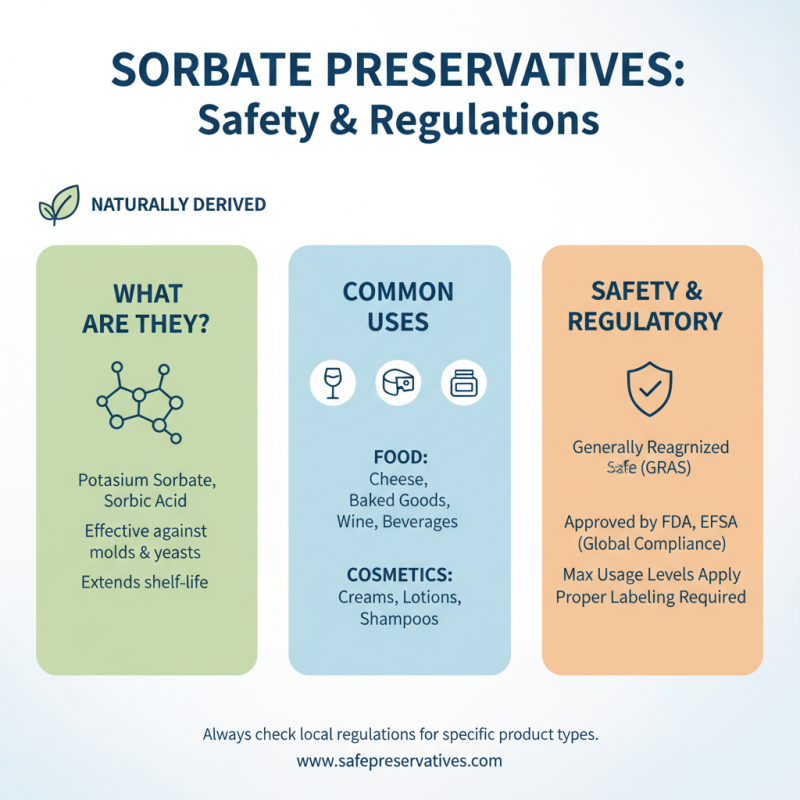
Sorbate preservative is widely used in various industries, particularly in food and cosmetics. It is effective against mold and yeast, extending product shelf life. This makes it a popular choice for many manufacturers who seek reliability.
Understanding how sorbate works involves recognizing its role in inhibiting microbial growth. It disrupts cell metabolism, thereby preventing spoilage and maintaining quality. Many formulations rely on this mechanism to ensure products remain fresh. However, the effectiveness can vary based on pH levels and other ingredients present. This variability calls for careful formulation.
Despite its advantages, the use of sorbate preservative may provoke some concerns. Some people express unease over chemical additives in their products. This skepticism invites a deeper discussion about natural alternatives and the necessity for preservatives. As industries evolve, a balance is needed between safety, effectiveness, and consumer expectations.
Why Choose Sorbate Preservative for Your Product Needs?
| Property |
Value |
| Chemical Name |
Potassium Sorbate |
| Cas Number |
590-00-1 |
| Usage Rate |
0.1% - 0.3% |
| pH Stability Range |
4.0 - 6.5 |
| Applications |
Food, Cosmetics, Pharmaceuticals |
| Mechanism of Action |
Inhibits yeast and mold growth |
| Safety Rating |
Generally Recognized as Safe (GRAS) |
| Solubility |
Soluble in water and alcohol |
The Benefits of Using Sorbate Preservative in Food Products
Sorbate preservatives are widely recognized for their effectiveness in maintaining food quality. They inhibit the growth of molds, yeasts, and bacteria. This makes them a popular choice in various food products such as dairy, baked goods, and beverages. By extending shelf life, sorbates help reduce food waste. This can be a significant benefit for both consumers and manufacturers.
Using sorbate preservatives can enhance the safety of food items. They can prevent contamination during storage and transportation. This ensures that products reach consumers in a safe condition. Opting for sorbates can also meet consumer demand for cleaner labels. Many people seek products with fewer artificial ingredients. Sorbate offers a mild alternative that aligns with these expectations.
Tips: Always check the concentration of sorbate in your products. Opt for the recommended levels to ensure safety. Additionally, understanding your target market is essential. Some consumers may prefer preservative-free options. Regularly assess feedback and market trends. This helps in making informed decisions about product formulations.
Sorbate Preservative Applications Across Various Industries
Sorbate preservatives play a vital role across various industries. In food production, sorbates are used to inhibit mold and yeast growth. A 2022 report from the Food and Drug Administration highlighted that around 80% of baked goods utilize sorbate to enhance shelf life. This preservation extends freshness, benefiting both manufacturers and consumers.
In the cosmetic industry, sorbates are crucial as well. They protect personal care products from microbial growth. According to a recent market analysis, the demand for sorbate in cosmetics has increased by 15% over the last three years. However, some consumers raise concerns about potential allergic reactions, which industry players must address transparently.
Cleaning products also benefit significantly from sorbate use. They help maintain product integrity, especially in formulas exposed to moisture. Recent studies indicate that nearly 30% of household cleaners contain sorbates for this purpose. Yet, formulators need to balance effectiveness with safety. This highlights an ongoing question in product development, as safety and efficacy must coexist harmoniously.
Applications of Sorbate Preservatives Across Various Industries
Safety and Regulatory Aspects of Sorbate Preservative Usage
Sorbate preservatives are widely used in various products. Understanding their safety and regulatory aspects is essential. Sorbates, such as potassium sorbate, are effective against molds and yeasts. They help extend the shelf life of food and cosmetic items. However, it's crucial to ensure proper usage and compliance with regulations.
When using sorbate preservatives, always check local regulations. Some countries have specific limits on their concentration. This ensures consumer safety while maintaining product efficacy. Regularly review safety data sheets and documentation related to sorbate usage. This practice enhances reliability and assures your product meets safety standards.
Tips: Always conduct a patch test when using products containing sorbates on sensitive skin. Also, educate consumers about the safety of sorbates in your products. Transparency builds trust. Despite their effectiveness, consider exploring alternatives as well. Relying solely on one preservative may not always be the best approach. Be prepared to adjust your formulations as regulations evolve.
Comparing Sorbate Preservative with Other Common Preservatives
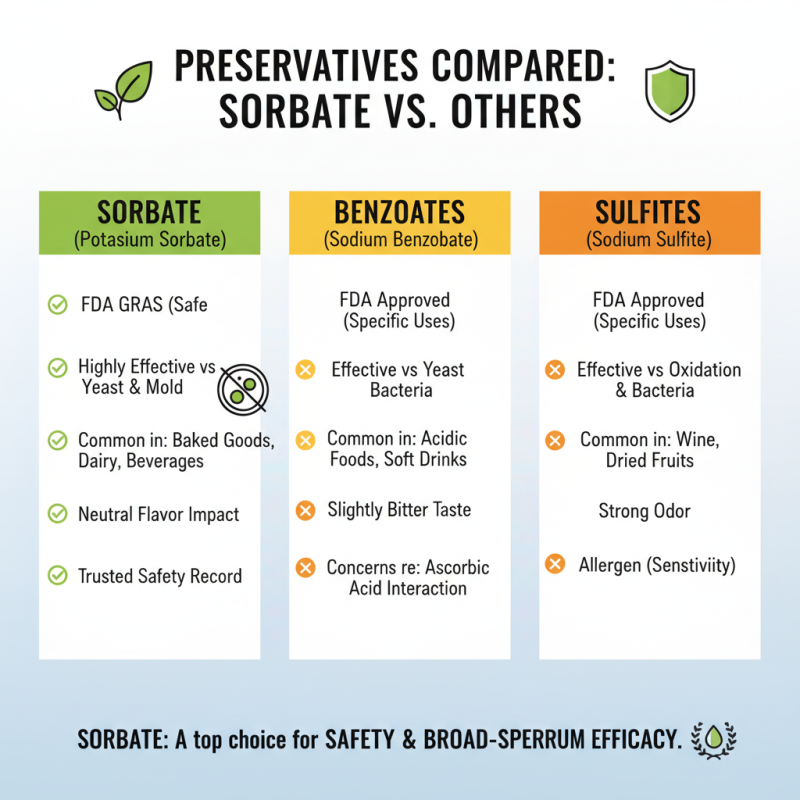
Sorbate preservatives, particularly potassium sorbate, are widely used in the food and beverage industry. Many choose sorbate for its effectiveness and safety profile. According to a study by the Food and Drug Administration, potassium sorbate is generally recognized as safe (GRAS) when used in conventional amounts. It is effective against yeasts and molds, making it ideal for products like baked goods and dairy.
When comparing sorbate with other preservatives, it often outperforms sodium benzoate and propionate in terms of taste and longevity. Sodium benzoate can impart a bitter taste, particularly in acidic foods. Propionate is often less effective in controlling spoilage microorganisms. Research shows that sorbate enhances product shelf life without altering flavor significantly.
However, it's essential to note that not all formulations benefit equally from sorbate. Some consumer preferences lean toward “natural” labels, potentially challenging the acceptance of sorbate. A survey indicated that nearly 30% of consumers prefer products without artificial preservatives. While sorbate may provide a reliable solution, product developers must balance safety and market trends. Consideration of varying customer attitudes adds complexity, necessitating ongoing market research.