2026 How to Use Xanthan Gum Ingredients in Your Recipes?
In the culinary world, Xanthan Gum Ingredients play a crucial role. This powerful thickening agent is commonly used in various recipes. It helps improve texture and stability, especially in gluten-free baking. However, many home cooks are unsure how to use it effectively.
Adding Xanthan Gum can transform your dishes. When used correctly, it creates a delightful consistency. Yet, it's important to remember that too much can lead to an unpleasant texture. Experimenting is key. Start with small amounts and adjust based on your results.
Understanding the right balance is essential. Some recipes may require just a pinch, while others need more. Xanthan Gum can behave unexpectedly in different dishes. This variability can be frustrating but also rewarding. Embrace the process of learning from any culinary mishaps.
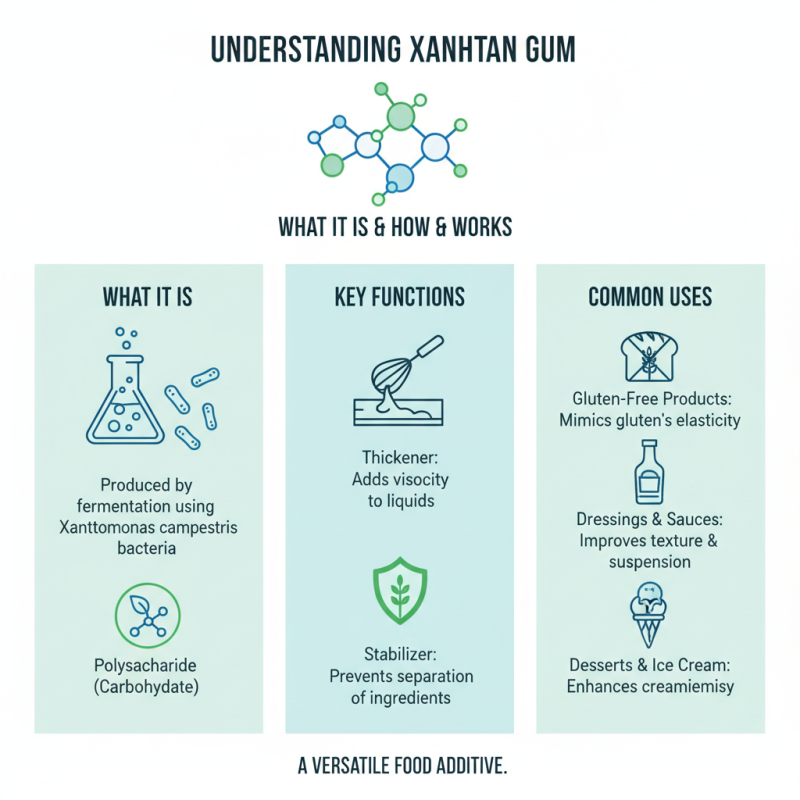
Understanding Xanthan Gum: What It Is and How It Works
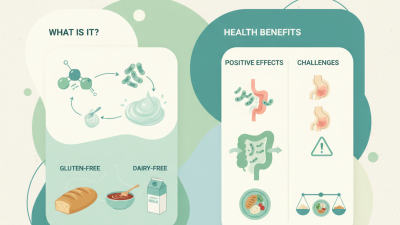
Xanthan gum is a versatile food additive. It acts as a thickener and stabilizer, making it popular in many recipes. This polysaccharide is produced through fermentation using the bacterium Xanthomonas campestris. It is widely used in gluten-free products due to its ability to mimic the elastic properties of gluten.
This ingredient can impact texture and viscosity. Studies show that it improves the mouthfeel of sauces and dressings, enhancing overall sensory experience. Food scientists have noted that a small amount goes a long way. Just 0.5% to 1% is often enough to achieve desired results.
Tip: When using xanthan gum, mix it with dry ingredients before adding liquids. This avoids clumps and ensures even distribution. Another tip is to experiment. Every recipe is unique, and finding the right amount can take time.
Xanthan gum can sometimes alter flavors. It may create a slimy texture if used excessively. It's essential to start small and adjust as needed. Knowing how it works allows for better application in various dishes. It’s a valuable tool but requires careful consideration to unlock its full potential.
Common Culinary Uses of Xanthan Gum in Recipes
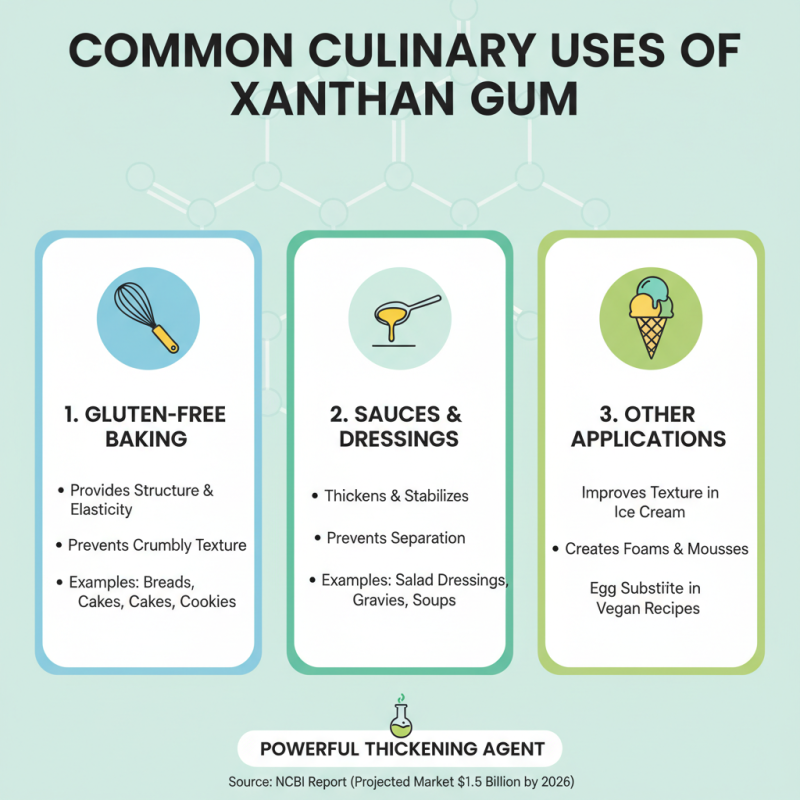
Xanthan gum is a powerful thickening agent used in various recipes. Its unique properties make it ideal for gluten-free baking and sauces. This ingredient creates a stable structure in food, providing the desired texture. According to a report from the National Center for Biotechnology Information (NCBI), xanthan gum is widely used in the food industry, with a market size projected to reach $1.5 billion by 2026.
In culinary applications, xanthan gum is commonly found in salad dressings and smoothies. It prevents separation and enhances mouthfeel in these products. Bakers appreciate xanthan gum for its ability to mimic the elasticity of gluten. A study published in the Journal of Food Science highlighted that recipes with xantham gum produced a better crumb structure in gluten-free bread.
Tips: When using xanthan gum, remember that a little goes a long way. Start with just a teaspoon in batters or sauces, adjusting as needed. Overuse may result in a gummy texture, which is not desirable. It’s also essential to blend xanthan gum thoroughly with dry ingredients before adding liquids to avoid clumps.
Step-by-Step Guide to Incorporating Xanthan Gum in Baking
Incorporating xanthan gum into baking can transform your recipes. This versatile ingredient acts as a thickener and stabilizer. It helps to create the desired texture, especially in gluten-free baked goods. Start by measuring your xanthan gum accurately. A little goes a long way, typically just 1 teaspoon per cup of flour.
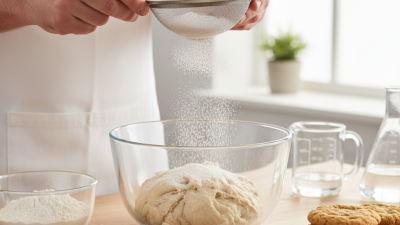
Mix xanthan gum with dry ingredients before adding liquids. This ensures an even distribution. When combining wet and dry components, use a whisk for a smooth batter. If the mixture feels too thick, don't hesitate to add a bit more liquid. Baking with xanthan gum can require some experimentation. Achieving the perfect consistency may take a few tries.
Pay attention to outcomes. Does your cake rise like you imagined? Are the cookies chewy or crumbly? Reflect on these results. Adjust the xanthan gum amount if necessary. Don’t be discouraged if something doesn’t turn out right the first time. Baking is often about discovering what works best for you. Your next batch could be the best yet!
Tips for Using Xanthan Gum in Gluten-Free Cooking
Xanthan gum is a powerful ingredient for gluten-free cooking. It acts as a thickener and stabilizer, helping to improve texture. When used correctly, it can mimic the elasticity found in traditional baked goods. But getting the right amount can be tricky.
Start with a small amount. Just a teaspoon can make a difference. If you add too much, your dish might become too gooey or slimy. It’s essential to experiment. Each recipe is unique. You might need to adjust the quantity based on your ingredients.
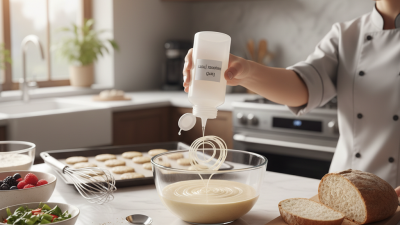
Mix xanthan gum with dry ingredients first. This prevents clumping in your batter. When you’re making sauces or dressings, mix it with a little liquid before adding to the main mixture. This helps it dissolve evenly. Don't give up if your first attempt isn't perfect. Learning is a process. Enjoy discovering how xanthan gum can elevate your gluten-free recipes.
Usage of Xanthan Gum in Gluten-Free Cooking
Adjusting Xanthan Gum Amounts for Desired Texture in Dishes
Using xanthan gum can transform your recipes. Adjusting the amount can create the texture you desire. For thicker sauces, start with 1 teaspoon per cup. Check the consistency, then add more if needed. A small adjustment can change the outcome.
For baked goods, xanthan gum helps with binding. Use 1 to 2 teaspoons for flour blends. Keep in mind—too much can make items gummy. Experimentation is key here. Perhaps your bread turned out dense last time. Reflect on how much xanthan gum you used.
In gluten-free recipes, it plays a vital role. It mimics the elasticity usually provided by gluten. But finding the sweet spot takes practice. Less is sometimes more. A small amount can lead to a light, airy texture. Don’t be afraid to tweak your recipes. Each dish is an opportunity for improvement.