Top Uses of Xanthan Gum Soft in Food and Beauty Products?
In recent years, the popularity of Xanthan Gum Soft has surged in both food and beauty industries. This versatile ingredient acts as a thickening agent and stabilizer, making it a favorite among product developers. Dr. Emily Carter, a renowned food scientist, states, “Xanthan Gum Soft transforms the texture of products, enhancing their overall quality.”
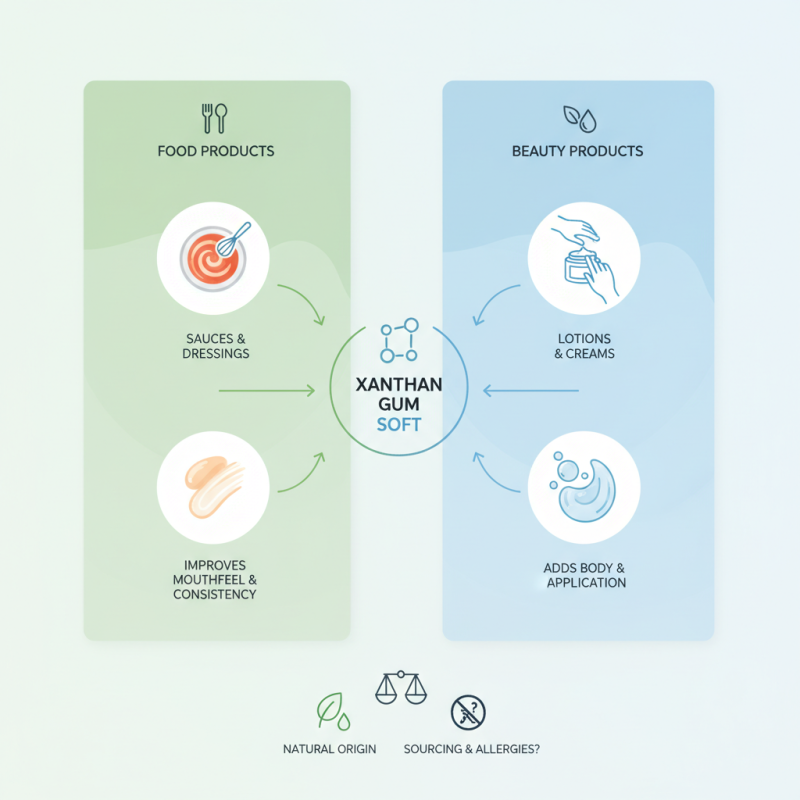
In the food sector, it's often found in sauces and dressings. It helps maintain consistency and improve mouthfeel. In beauty products, Xanthan Gum Soft adds body to lotions and creams, promoting a pleasant application experience. Its natural origin appeals to health-conscious consumers seeking safer alternatives.
However, the reliance on Xanthan Gum Soft may also raise concerns. Some consumers question its sourcing and potential allergies. The industry must address these issues transparently. Understanding the full impact of Xanthan Gum Soft on health and the environment is essential for informed choices.
The Role of Xanthan Gum in Food Products
Xanthan gum is a widely used thickening agent in the food industry. It is produced through the fermentation of sugars by the bacterium Xanthomonas campestris. According to a 2021 industry report, the global xanthan gum market is projected to reach over $500 million by 2026, with food applications accounting for a significant portion of this growth.
In food products, xanthan gum plays a crucial role in improving texture and stability. It is commonly found in salad dressings, sauces, and gluten-free baked goods. A study indicates that xanthan gum can enhance the viscosity of products by up to 200%, making it a preferred ingredient for achieving a desirable consistency. However, the reliance on xanthan gum raises questions. Some chefs and consumers are concerned about its overuse in processed foods, which may lead to dependency on additives rather than natural ingredients.
Xanthan gum also serves as an emulsifier, helping to blend oil and water-based ingredients. In beverages, it can create a smooth mouthfeel. Yet, the use of xanthan gum is not without challenges. Some individuals may experience digestive discomfort from polysaccharides. Industry experts suggest that a careful balance is needed in its application. While xanthan gum offers improved texture and stability, the food industry must consider the growing demand for clean-label products and consumer preferences for less processed alternatives.
Applications of Xanthan Gum in Baking and Cooking
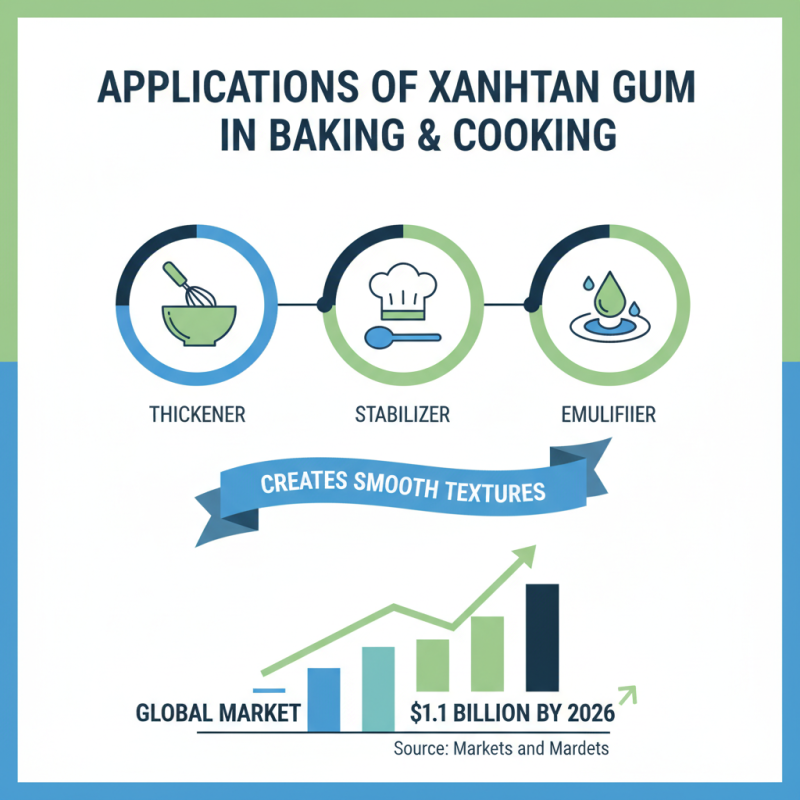
Xanthan gum is a versatile ingredient in baking and cooking. It acts as a thickener, stabilizer, and emulsifier. Its unique properties allow it to create smooth textures in various recipes. According to markets and markets, the global xanthan gum market is projected to reach $1.1 billion by 2026, showcasing its growing importance in the food industry.
In baking, xanthan gum is particularly useful for gluten-free recipes. It mimics the elasticity of gluten, helping to improve the texture of bread and pastries. A study published by the Journal of Food Science showed that adding xanthan gum can significantly increase the volume of gluten-free bread. It also helps retain moisture, resulting in a fresher product. However, using too much can lead to a gummy or overly sticky texture, which is a common pitfall.
When it comes to cooking, xanthan gum can stabilize sauces and dressings. It helps maintain a uniform consistency, preventing separation. However, achieving the right balance can be tricky. Too little xanthan gum won't provide the desired thickness. Yet, too much can create an unappealing, viscous product. This delicate balance requires careful measurement and some experimentation in the kitchen.
Benefits of Xanthan Gum in Beauty and Personal Care
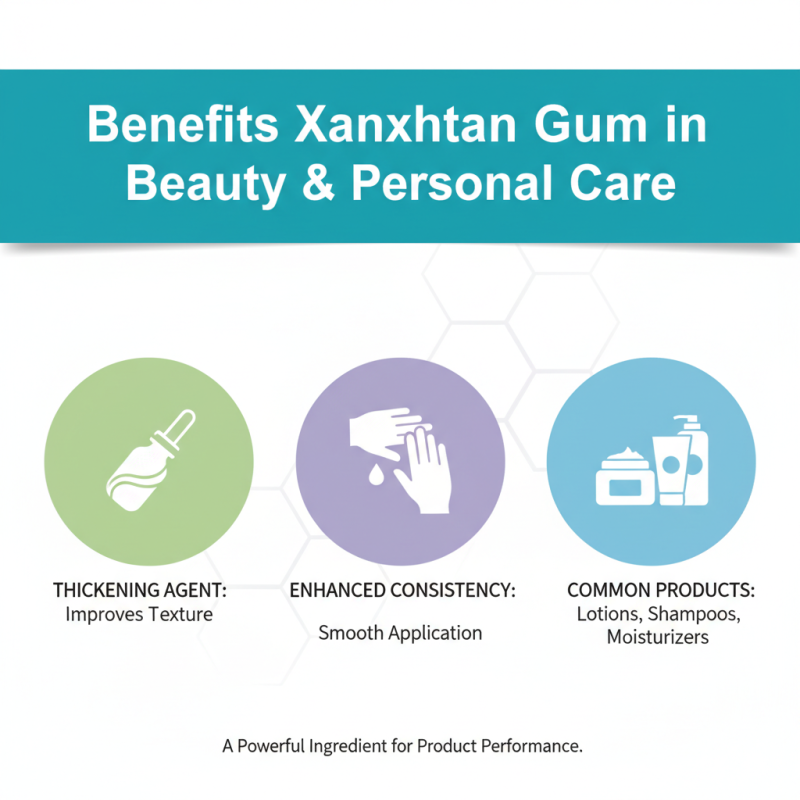
Xanthan gum is a powerful ingredient found in many beauty and personal care products. It acts as a thickening agent, improving texture and consistency. You might find it in moisturizers, lotions, and shampoos. Its ability to enhance product performance is impressive.
In skin care, xanthan gum helps create a smooth application. It allows formulas to spread evenly, leaving a light, pleasant feel. Many people appreciate this characteristic. In hair products, it provides body and enhances curl definition. Some might find it can leave a slight residue, which may not please everyone.
The benefits extend beyond just texture. Xanthan gum also offers moisturizing properties. For sensitive skin, it can provide a protective barrier. However, some users may experience irritation. Testing products beforehand is wise. It's an ingredient that can truly elevate the experience in personal care products. Its versatility continues to make it a staple in many formulations.
Safety and Regulations of Xanthan Gum in Consumer Products
Xanthan gum has gained popularity in food and beauty products. Its thickening and stabilizing properties are often highlighted. However, the safety of xanthan gum in these applications raises questions. The FDA recognizes it as safe, but not without doubts.
In food products, xanthan gum helps achieve desired textures. It is commonly used in sauces, dressings, and gluten-free baked goods. Yet, some individuals may experience digestive discomfort. This is particularly true for those sensitive to additives. Consumers should be aware of their own reactions to it.
In cosmetics, xanthan gum enhances product consistency. It can be found in lotions, creams, and gels. While generally considered safe, some formulations may lead to skin irritation. Always check the ingredient list. Awareness of personal sensitivities is crucial. Balancing safety and effectiveness in products is an ongoing challenge.
Future Trends and Innovations in Xanthan Gum Usage
Xanthan gum is becoming increasingly popular in food and beauty products. Innovations are emerging that adapt this ingredient for new uses. In food, it enhances texture, stabilizes sauces, and thickens dressings. Many gluten-free products use xanthan gum to improve structure. Its thickening power is remarkable, but overuse can lead to undesirable textures. Finding the right balance is crucial.
In beauty, xanthan gum serves as a natural thickener in creams and lotions. It creates a luxurious feel without harsh additives. This ingredient also helps stabilize emulsions, but it can sometimes cause irritation for sensitive skin. Companies are exploring new formulations that minimize these risks while maximizing benefits. The focus is on creating gentler products.
Future trends may see xanthan gum combined with other natural ingredients. This could lead to innovative textures and effectiveness. As consumers demand more sustainable options, xanthan’s role could expand. However, there is a need for more research to understand its long-term effects. The beauty and food industries are on the verge of exciting advancements, yet challenges in formulation remain.