Leave Your Message

Top Questions About Latex Rubber Raw Material for Global Buyers?

In the realm of manufacturing and production, understanding the nuances of Latex Rubber Raw Material is essential for global buyers. This natural product stands out for its versatility and reliability. From medical supplies to industrial products, its applications are vast. However, not all sources of latex rubber are created equal.

Buyers often face challenges in ensuring quality and sustainability. It’s crucial to ask the right questions and to analyze each supplier’s practices. The global market can be unpredictable, and having reliable information is key. Quality assurance, ethical sourcing, and environmental impact play significant roles in making informed purchasing decisions.

As you navigate this landscape, consider the practical implications of your choices. Your decisions can influence not only production but also health and ecological outcomes. Hence, exploring the most pressing questions regarding Latex Rubber Raw Material becomes vital for successful procurement.

Top Questions About Latex Rubber Raw Material for Global Buyers?

Understanding Latex Rubber: Definition and Types

Top Questions About Latex Rubber Raw Material for Global Buyers?

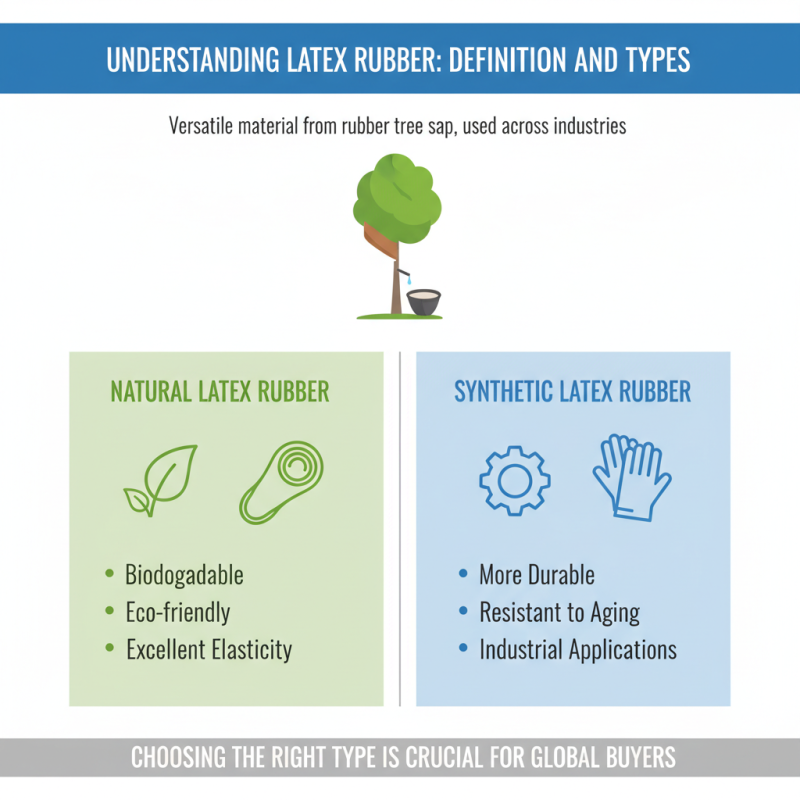
Latex rubber is a versatile material used in various industries. It is derived from the sap of rubber trees. Understanding its types is crucial for global buyers. Natural latex rubber offers excellent elasticity. It is biodegradable and environmentally friendly. Synthetic latex, on the other hand, is more durable and resistant to aging. Each type has unique characteristics that fit different applications.

Tip: When selecting latex rubber, consider the specific application. Durability, flexibility, and environmental impact are key factors. Testing samples can help ensure you choose the right type.

While natural latex is sustainable, it may cause allergic reactions for some users. Always assess potential allergies before using natural options. In contrast, synthetic latex provides consistency but lacks biodegradability.

Tip: Maintain transparency in sourcing latex materials. This builds trust with your end customers. Knowing the origin of the material can enhance your product's appeal. Balancing quality and sustainability is vital for both types of latex.


Key Properties of Latex Rubber Raw Materials

Top Questions About Latex Rubber Raw Material for Global Buyers?

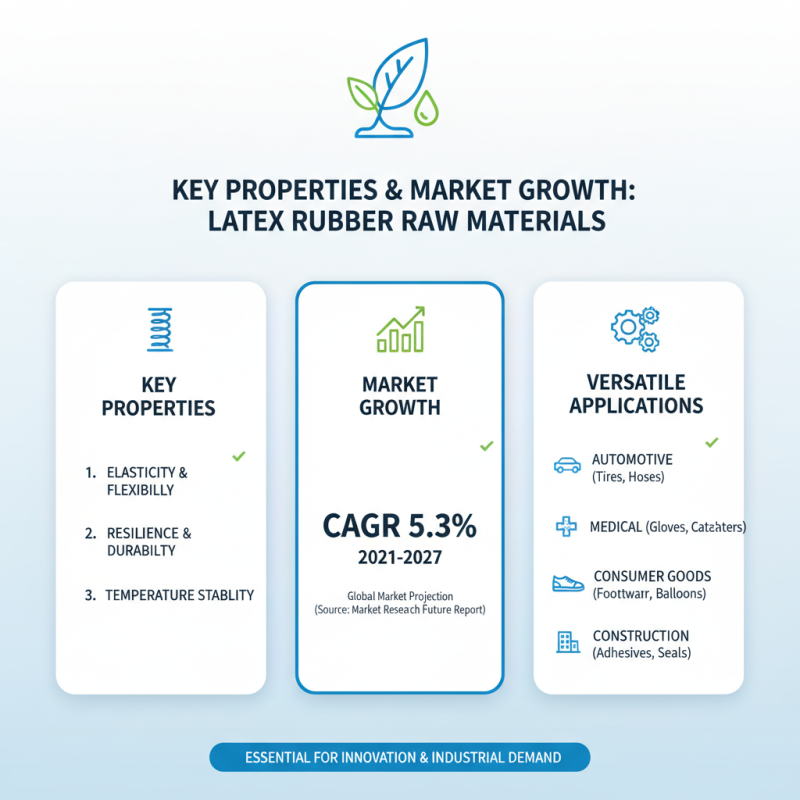
Latex rubber raw materials are vital for numerous industries, from automotive to medical applications. Their unique properties, such as elasticity, resilience, and temperature stability, contribute to their widespread use. According to the latest Market Research Future report, the global latex rubber market is expected to grow at a CAGR of 5.3% from 2021 to 2027. This growth demonstrates the increasing demand for high-quality raw materials in various sectors.

One key property of latex rubber is its natural elasticity. It can stretch significantly without breaking, giving it an edge in dynamic applications. Additionally, latex rubber possesses excellent abrasion resistance, making it suitable for products subjected to wear and tear. Moreover, its water-resistant nature enhances its usability in wet environments. However, buyers must consider the environmental impact and sustainability of sourcing latex, as it often involves tapping rubber trees.

**Tip:** When sourcing latex rubber, always prioritize suppliers who demonstrate ethical practices. Sustainability is becoming crucial in supply chains.

Flexibility is another advantage of latex rubber. It works well in products that require adaptability, such as seals and gaskets. However, potential buyers should also be aware of the allergenic properties some latex products carry. Studies have shown that about 1-6% of the population may experience latex allergies. This information is crucial when selecting materials for medical or consumer products.

**Tip:** Always conduct thorough research on the end user’s needs to avoid potential allergic reactions.

Common Applications of Latex Rubber in Various Industries

Latex rubber is a versatile material found in many industries. Its applications range from medical supplies to consumer goods. In the medical sector, latex rubber is often used to produce gloves, catheters, and various medical devices. The global demand for latex gloves alone reached approximately 330 billion pieces in 2020, highlighting the importance of this material in maintaining hygiene and safety.

In the automotive industry, latex rubber plays a vital role in manufacturing components like seals and gaskets. These parts ensure vehicles maintain performance and safety. Reports indicate that the automotive sector’s demand for latex rubber products is expected to grow by 4.5% annually. However, the material does have some drawbacks, such as potential latex allergies among users. This aspect should not be overlooked, as it influences the choice of materials in sensitive applications.

Latex rubber is also commonly found in consumer products. Items like balloons, footwear, and sporting goods often use this material for its elasticity and durability. However, it’s worth noting that production processes can lead to environmental concerns. Sustainable sourcing of raw materials should be a priority, addressing industry needs while considering ecological impacts. This complex balance is essential for future growth in latex rubber applications.

Common Applications of Latex Rubber in Various Industries

Factors to Consider When Sourcing Latex Rubber Globally

When sourcing latex rubber globally, several factors demand attention. Quality is paramount. Buyers should understand the grades of latex rubber available. Different grades can meet varying requirements for strength, elasticity, and durability. It's crucial to request samples before making bulk purchases. This helps in evaluating the material’s performance in actual conditions.

Next, consider the supplier's reliability. Look for companies with a solid track record. Third-party certifications can indicate quality assurance. Do not overlook the importance of checking references or customer reviews. It can be revealing to learn from others’ experiences. Pricing should also be transparent. Be aware of hidden fees that may impact the total cost.

The environmental impact is worth reflecting on. Sustainable sourcing is becoming increasingly important. Examine the source of the latex. Is it harvested responsibly? Ethical considerations matter to many buyers today. Balancing cost, quality, and sustainability can be challenging. Ensure all these factors align with your business objectives. This way, you can make informed decisions in your sourcing process.

Environmental Impact and Sustainability of Latex Rubber Production

The environmental impact of latex rubber production is a critical concern for global buyers. Natural latex, derived from rubber trees, offers advantages over synthetic alternatives. However, its cultivation can lead to deforestation, soil degradation, and loss of biodiversity. Continuous tapping of rubber trees, if not managed properly, may hamper tree health and productivity.

Sustainability in latex rubber production requires careful consideration. Farmers increasingly adopt practices like agroforestry, which supports both the environment and local communities. Reassessing land use and minimizing chemical inputs can reduce harmful effects. Certification programs for sustainable latex can enhance trust, but they require ongoing commitment. Understanding these complexities helps buyers make informed choices that prioritize environmental health.

Top Questions About Latex Rubber Raw Material for Global Buyers

Question Answer Environmental Impact Sustainability Practices
What is latex rubber? Latex rubber is a natural polymer derived from rubber trees, primarily used in the production of tires, gloves, and various rubber products. Production can lead to deforestation and biodiversity loss if not managed sustainably. Many producers are adopting agroforestry systems to balance rubber cultivation with conservation.
How is latex rubber harvested? Latex is harvested by tapping the rubber tree, making incisions in the bark, and collecting the oozing latex sap. Tapping practices can impact tree health and forest ecosystems. Sustainable tapping techniques ensure tree survival and extend productive years.
What are the properties of latex rubber? Latex rubber is flexible, durable, and waterproof, making it suitable for various applications. Chemical treatments can introduce toxins affecting ecosystems. Producers are working towards using non-toxic processing methods.
What are the economic impacts of latex rubber production? Latex rubber provides employment and income for millions, particularly in developing countries. Economic dependence on single-crop farming can lead to vulnerability. Diversifying crops and integrating practices can enhance food security.
Are there alternatives to latex rubber? Yes, synthetic rubbers and other natural materials like hemp are used as alternatives. Some synthetic alternatives can have worse environmental impacts. Exploration of bio-based and recycled materials is increasing.