How to Source Ethyl Hexyl Palmitate in 2026?
Sourcing Ethyl Hexyl Palmitate in 2026 requires more than comparing price per kilogram. Buyers must connect formulation needs with verified quality, dependable logistics, and documented supplier practices. This ester may appear as a clear, low-odor liquid, yet small specification differences can affect feel, stability, and processing. That is where practical experience matters. Not just theory.
A reliable sourcing process begins with a precise product brief. Define purity, acid value, color, odor, viscosity, packaging, and intended cosmetic or industrial use. Request a current COA, SDS, technical data sheet, batch number, and representative sample. Then compare test methods, not only reported numbers. Laboratory confirmation is essential. Supplier claims deserve verification. An experienced buyer should also review manufacturing capacity, quality controls, change-notification procedures, and traceability. One overlooked detail can delay a production run.
In 2026, responsible sourcing also means checking regional requirements, import documentation, transport conditions, and ethical business standards. Approved suppliers should explain their production location, lead times, minimum order quantities, and contingency plans. Independent audits or credible certifications can strengthen confidence, but they cannot replace technical review. Price still matters. However, the cheapest drum may become expensive after rejected batches, storage problems, or unexpected freight. Market data changes quickly, and no supplier list stays perfect. That limitation deserves honest attention. A careful sourcing strategy should therefore combine technical evidence, supplier conversations, sample testing, and realistic risk planning before any purchase decision.
What Is Ethyl Hexyl Palmitate and Why Is It Sourced?
How to Source Ethyl Hexyl Palmitate in 2026?
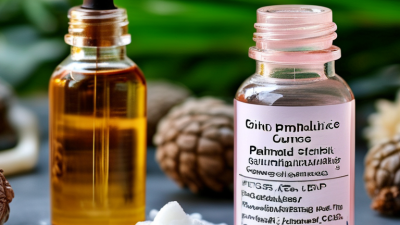
Ethyl Hexyl Palmitate is a lightweight ester made from 2-ethylhexanol and palmitic acid. It is commonly sourced for cosmetic and personal care formulations. The ingredient provides smooth slip, easy spreadability, and a soft after-feel. It can reduce greasiness in creams, lotions, sunscreens, and color products. Formulators also value its compatibility with oils, waxes, and many common emulsion systems. Small details matter. The final sensory effect depends on purity, processing, and the complete formula.
A serious sourcing review starts with the intended application, not the lowest catalog price.
Request current specifications, a certificate of analysis, safety documentation, and batch information. Check color, odor, acid value, ester value, moisture, and oxidation indicators. Test a representative sample in the actual base. A clear liquid may still perform poorly in a finished cream. Do not trust appearance alone.
In 2026, buyers should examine traceability, production controls, packaging, lead times, and storage conditions.
Ask how the supplier manages batch consistency and handles out-of-specification results. Independent testing can verify critical values when the application is sensitive. Regional documentation requirements may also differ, so technical records need careful review. A common sourcing mistake is accepting polished paperwork without checking sample performance. Cheap can become costly. Ethyl Hexyl Palmitate should be evaluated as part of the whole formulation, not as an isolated raw material.
How to Define Your Ethyl Hexyl Palmitate Specifications
When sourcing Ethyl Hexyl Palmitate in 2026, define the specification before comparing quotations. Start with the intended use, such as an emollient, texture modifier, or formulation carrier. The application determines acceptable limits. A cosmetic formula may need a clear, low-odor liquid with stable skin feel. Industrial use may prioritize viscosity, purity, and cost. Do not rely on the chemical name alone.
Set measurable parameters. Include appearance, color, odor, assay, acid value, saponification value, iodine value, water content, and viscosity. Define test methods and acceptance ranges for each item. A typical request should also state packaging size, storage conditions, shelf life, and batch traceability. Ask for a current certificate of analysis and safety data sheet. Review the actual test method, not only the reported number. Small differences can affect a finished formula.
Sample approval should follow the written specification. Check the liquid at room temperature, then observe odor, color, and flow after storage. Compare pilot-batch performance, not just the sample bottle. Residual solvent limits may matter for sensitive applications. Microbiological requirements should be assessed according to the product category and process risk. Not every specification needs the tightest limit. Excessively narrow ranges can raise costs without improving performance. A draft can be imperfect. Revisit it after pilot testing, because real processing may reveal issues that laboratory assumptions miss. Keep change-control terms clear before placing repeat orders.
How to Verify Quality, Compliance, and Product Documentation
Sourcing Ethyl Hexyl Palmitate in 2026 requires more than comparing prices. Ask for the exact chemical identity, CAS number, INCI name, grade, and intended application. The supplier should provide a current specification, safety data sheet, technical data sheet, and batch-specific certificate of analysis. Paper is not proof. Match the batch number on every document with the label on the drum or container.
Review key results such as appearance, odor, color, acid value, saponification value, density, refractive index, water, and purity. Limits must be clear, not hidden in a sales email. Request chromatographic data when purity or related substances affect performance. Test a sealed sample through an independent laboratory before approving routine supply. Check the lot. Compare results with the supplier’s COA and investigate meaningful differences, even when both results pass.
Compliance verification should cover the destination market and the product’s final use. Request current statements for relevant chemical registrations, restricted substances, allergens, residual solvents, heavy metals, and animal-origin status where applicable. Confirm the manufacturing site, country of origin, change-notification policy, shelf life, storage temperature, packaging materials, and traceability. An ISO certificate supports confidence, but it does not replace product evidence. I would also conduct a risk-based supplier audit. It may reveal weak sampling practices or outdated files. That is inconvenient, but useful. Keep approval records, test reports, and corrective actions together. Review them annually and after any process change.
How to Compare Prices, Negotiate Terms, and Manage Delivery
Sourcing ethyl hexyl palmitate in 2026 requires more than comparing unit prices. Request identical specifications, including purity, acid value, color, viscosity, packaging, and batch consistency. A supplier quoting USD 2.40 per kilogram may look attractive, but a 200-kilogram minimum order can increase your real cost. Compare landed cost, not invoice cost. Include freight, insurance, duties, testing, storage, and payment fees.
Use HS code 291570 when reviewing trade records in UN Comtrade. These records help compare import values, shipment volumes, and supplier-country patterns. However, classification can include related fatty-acid esters, so the data needs careful interpretation. The World Bank Commodity Markets data also provides useful palm-oil benchmarks, since feedstock movements can influence ester pricing. Ask suppliers to explain their pricing formula. A transparent adjustment mechanism is safer than a vague “market-based” clause.
Negotiate a validity period of at least 15 days, especially when freight changes quickly. UNCTAD’s Review of Maritime Transport reports that ships carry over 80% of global merchandise trade by volume. Delivery risks therefore deserve contract space. Confirm Incoterms, production lead time, loading port, inspection rights, and remedies for delay. A two-week safety buffer may prevent a costly production stoppage. Still, I would not overstock without demand evidence. Store samples from every lot, record container conditions, and approve a backup source before the first shipment. Terms matter more than a polished quotation.