2026 How to Source Quality Latex Raw Material for Sustainable Production?
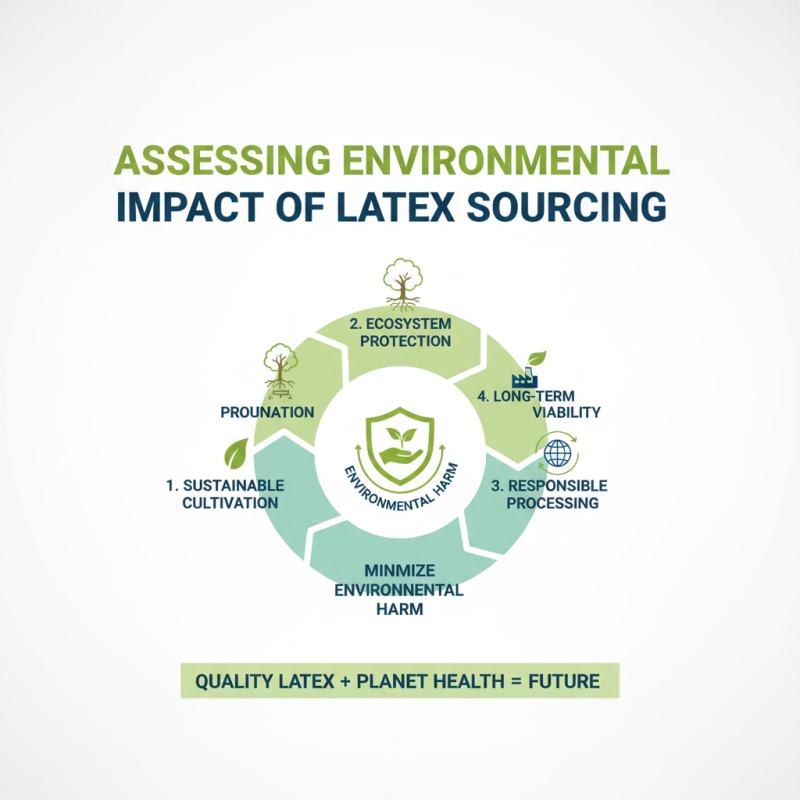
In the quest for sustainable production, sourcing quality latex raw material is critical. As industries increasingly prioritize eco-friendly methods, understanding the supply chain becomes essential. Companies must consider ethical sourcing practices, environmental impact, and the long-term viability of latex sources.
Quality latex raw material can significantly affect product performance. However, not all suppliers adhere to the same standards. It’s crucial to analyze potential suppliers carefully. Look for those that prioritize sustainable harvesting methods and maintain transparency in their processes. Trustworthy partners should provide certifications that confirm their environmental claims.
Choosing the right latex raw material is more than just a logistical decision. It reflects a company's commitment to sustainability. The journey involves navigating challenges, such as fluctuating prices and unreliable supplies. Reflection on past sourcing experiences can lead to better partnerships and improved practices. Ensuring quality and sustainability is a continuous process that requires diligence.

Understanding the Importance of Quality Latex for Sustainable Production
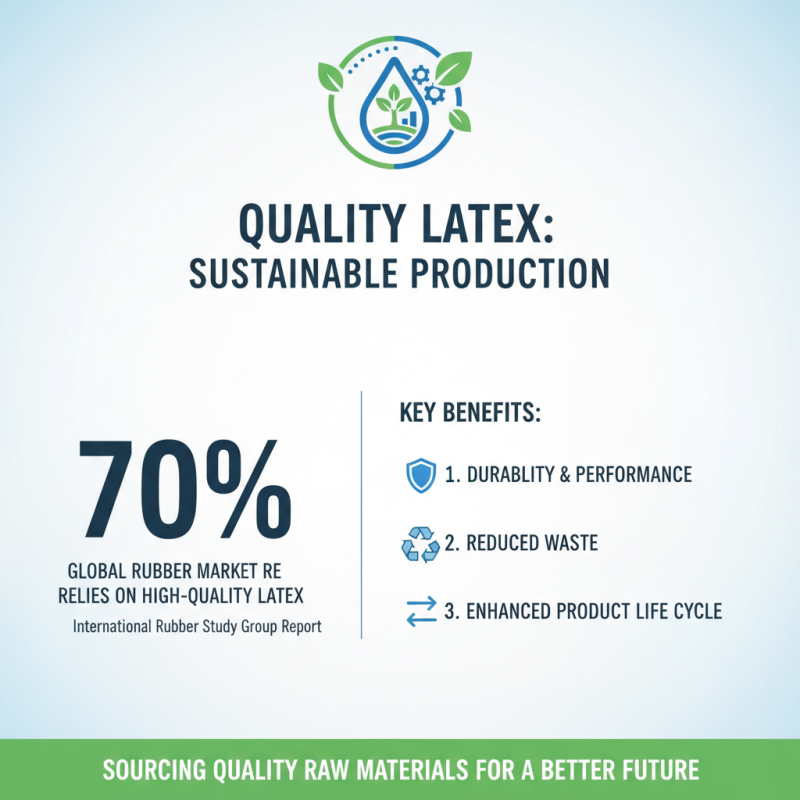
Quality latex is essential for sustainable production. A recent report from the International Rubber Study Group highlights that over 70% of the world's rubber market relies on high-quality latex, underscoring its significance. Sourcing quality raw materials ensures durability and performance, reducing waste and enhancing product life cycle.
Deficiencies in latex quality can lead to production inefficiencies and increased costs. The Global Industry Analysts predict that the demand for sustainable latex will rise by 4% annually, pushing manufacturers to prioritize quality sourcing practices. This shift is critical not just for profitability but also for environmental responsibility.
Many producers overlook the sourcing process. They might prioritize cost over quality, risking product integrity. Data from the Malaysian Rubber Board indicates that lower quality latex results in up to 30% more defective products. This highlights the economic and environmental impact of neglecting quality. Striving for high standards in raw material will ultimately benefit manufacturers and the planet.
Identifying Reliable Sources of Latex Raw Materials in 2026
In 2026, sourcing quality latex raw materials requires careful consideration. Identifying reliable sources is crucial for sustainable production. Focus on suppliers who prioritize environmentally friendly practices. Look for partners with certifications in sustainable harvesting. Transparency in sourcing can lead to better quality.
Tips: Assess the supply chain integrity. Visit production sites to ensure ethical practices. Engage with local communities to understand their commitment to sustainability.
Exploring different regions can yield diverse quality latex. Each source may offer unique characteristics. However, this diversity can make consistency a challenge. Regular testing of raw materials is essential to maintain quality.
Tips: Create a checklist for evaluating suppliers. Consider factors like delivery reliability and environmental impact. Collaborate with experts who understand local practices.
Evaluating Technical Standards for Quality Latex Materials
When sourcing quality latex raw materials, evaluating technical standards is crucial. Understanding the properties of latex is the first step. Key characteristics include elasticity, tensile strength, and durability. Each property plays a vital role in determining the overall quality and performance of the final product. Testing materials against established benchmarks helps assess their suitability for sustainable production.
Laboratory tests and certifications offer insights into latex quality. Techniques like rheometry measure viscosity, while spectrometry can identify chemical compositions. However, not all tests are universally standardized. A comprehensive approach is necessary, combining multiple evaluation methods. This can sometimes lead to inconsistencies in quality assessments, reflecting a gap in industry practices.
Engaging with experts in latex production can provide deeper insights. Their experience can guide the selection of materials that meet high technical standards. Nonetheless, a reliance on expert opinion carries the risk of bias. Continuous training and knowledge-sharing among producers are essential. This fosters a culture of transparency and improvement, ensuring that quality latex materials contribute to sustainable production goals.
Implementing Best Practices for Sustainable Latex Supply Chain Management
Sourcing quality latex raw material is vital for sustainable production. Building a sustainable latex supply chain requires dedication and practical strategies. Organizations must focus on ethical sourcing. Establishing partnerships with local farmers promotes transparency. This also supports community livelihoods, enhancing social responsibility.
Monitoring environmental practices is essential. Regular audits ensure compliance with sustainability standards. Tracking the journey of latex from tree to factory fosters accountability. Challenges often arise due to fluctuating quality and supply. Teams should consider diversification of suppliers. This strategy mitigates risks and enhances resilience.
Engaging in continuous training is crucial. Educating stakeholders about sustainable practices drives positive change. Yet, many producers struggle with implementing best practices effectively. Addressing training gaps can be a game changer. Optimizing logistics to reduce carbon footprints is another area to explore. Each step taken collectively shapes a responsible supply chain.