What is the Role of Food Additives in Modern Cuisine?
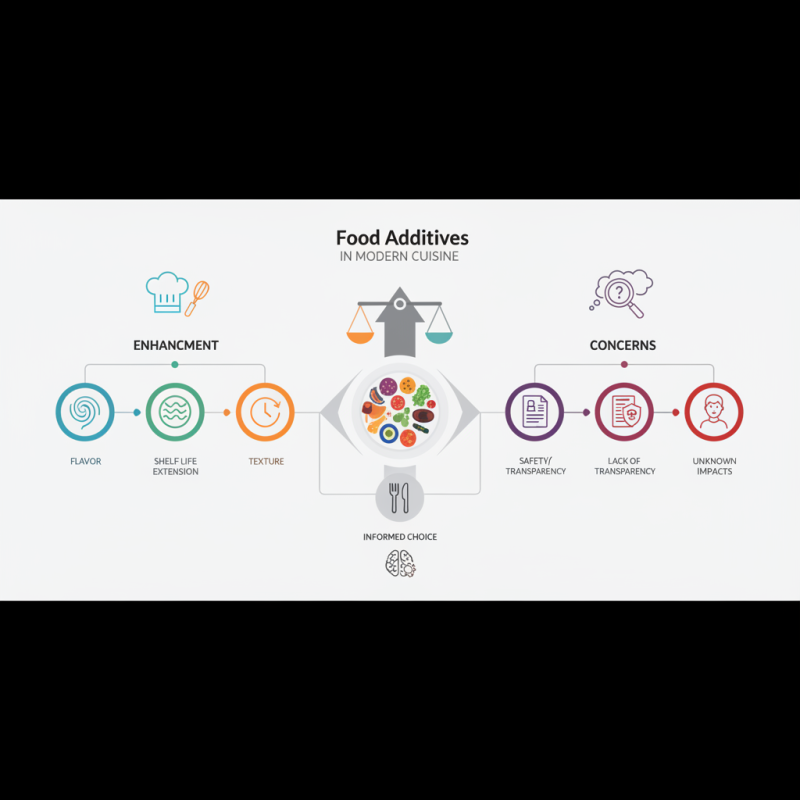
Food additives play a significant role in shaping modern cuisine. These substances enhance flavor, improve texture, and extend shelf life. From common seasonings to complex preservatives, food additives are ubiquitous in processed foods. They make meals more convenient and enjoyable, often without consumers realizing it.
However, the use of food additives raises some concerns. Some people question their safety and long-term effects on health. Transparency about ingredients remains an ongoing issue. Despite regulations, not all additives are fully understood. Informed choices become crucial for consumers.
As modern chefs experiment, food additives evolve in their applications. They can transform traditional dishes into innovative culinary experiences. Yet, the line between enhancement and manipulation blurs. A critical examination of food additives invites reflection on what we eat and why. Understanding their role is essential for a balanced perspective on our food system.
The Definition and Types of Food Additives in Modern Cuisine
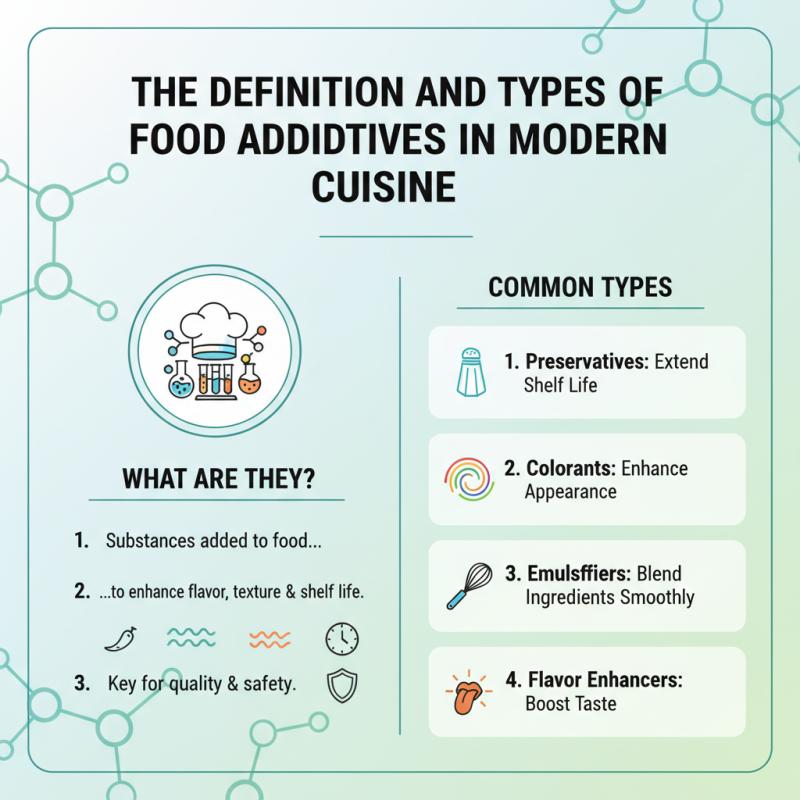
Food additives play a vital role in modern cuisine. They include substances added to enhance flavor, texture, and shelf life. Common types comprise preservatives, colorants, emulsifiers, and flavor enhancers. Each type serves a specific purpose, influencing both the quality and safety of food products.
Preservatives, like sodium benzoate, extend freshness, preventing spoilage. Colorants enhance visual appeal, making food more enticing. Emulsifiers help mix ingredients that typically separate, enabling smooth sauces and creams. However, not all additives are well understood. Some consumers express concern over their safety and potential health effects.
This creates a gap in knowledge. The complex labeling on packages can be confusing. Many people cannot identify or understand these ingredients. This uncertainty raises important questions about regulation and transparency. Balancing innovation in cuisine with consumer safety is crucial. We must reflect on the implications of using additives in our daily meals.
Historical Evolution of Food Additives and Their Impact on Cooking Practices
The history of food additives reveals a dynamic evolution in cooking practices. In ancient times, people used natural preservatives like salt and honey to extend the shelf life of foods. These simple methods laid the groundwork for a tradition of enhancing flavor and preservation. As trade expanded, spices became valuable commodities. They not only added taste but also served as essential tools for food safety.
As modern science advanced, synthetic additives emerged. These chemicals improved textures, colors, and flavors in ways natural ingredients could not. They brought consistency to food production. However, the introduction of these additives sparked debates about their health impacts. Concerns grew over artificial additives, prompting some chefs to seek cleaner labels. This change highlights a critical reflection in culinary practices: balancing innovation with health and authenticity.
Today, many chefs embrace both worlds. They may use modern techniques while also valuing traditional practices. The evolving narrative of food additives invites further exploration. What do we sacrifice in the name of convenience? Are we losing touch with the essence of cooking? As we navigate this complex landscape, it’s essential to remain mindful of the role additives play in our culinary experiences.
Impact of Food Additives in Modern Cuisine
Statistical Insights: Food Additives Usage Trends in Global Cuisine
In recent years, the use of food additives has surged in global cuisine. According to a 2023 report by the Food and Agriculture Organization (FAO), over 80% of processed food items contain some form of additive. These substances serve various roles; they enhance flavor, improve texture, and increase shelf life. For instance, emulsifiers help blend ingredients that usually separate, such as oil and water.
Trends reveal that consumers are increasingly aware of these additives. A survey by the International Food Information Council (IFIC) showed that 60% of respondents prefer foods labeled as "natural" over those with artificial additives. Despite this preference, the market for synthetic additives is projected to grow by 4% annually through 2027. This indicates a complex relationship where consumers want clean labels, yet demand for certain additives continues to rise for practical reasons.
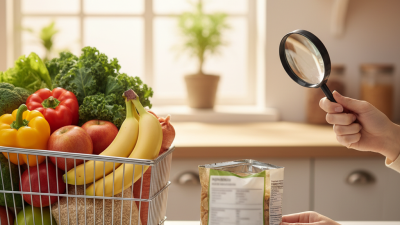
Tip: Always read ingredient labels. Terms like “preservatives” or “coloring agents” can signal the presence of synthetic additives.
Interestingly, while many additives have benefits, some may raise concerns. Research indicates that excessive intake of certain additives may lead to health issues. For example, some artificial colorants have been implicated in hyperactivity in children.
Tip: Seek out moderation. Consider balancing the intake of processed foods with fresh options for better health.
Understanding food additives' roles and trends is essential for making informed dietary choices.
Health Implications: Evaluating the Safety of Common Food Additives
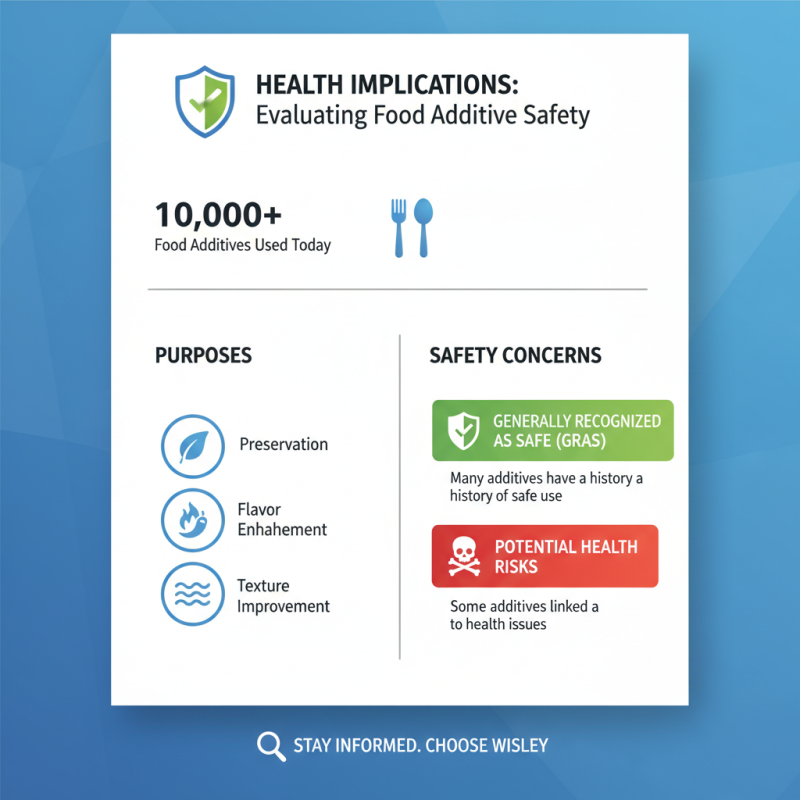
The safety of food additives is a vital concern in modern cuisine. Reports indicate that about 10,000 food additives are widely used in the industry today. These substances serve various purposes, including preserving freshness, enhancing flavor, and improving texture. While some additives are generally recognized as safe (GRAS), others can pose health risks.
Recent studies highlight the potential link between certain artificial additives and health issues. For example, research from the European Food Safety Authority found that some colorants may cause hyperactivity in children. Furthermore, preservatives like BHA and BHT have raised concerns due to their possible role as endocrine disruptors. These findings underscore the need for careful evaluation of additive safety.
Consumers are increasingly becoming aware of what they eat. According to a survey by the International Food Information Council, 62% of consumers read food labels to avoid unwanted additives. This shift reflects a growing desire for transparency and safety in food production. While additives can enhance our culinary experiences, a more profound understanding of their implications is essential. Are we ready to reassess our relationship with food additives?
Regulatory Framework: The Role of Government in Food Additive Approval
Food additives play a critical role in modern cuisine, enhancing both flavor and safety. The regulatory framework governing these additives is essential to ensuring public health. In the United States, the FDA oversees the approval of food additives, using strict criteria to assess their safety. According to a report from the Food and Agriculture Organization (FAO), approximately 10,000 additives are used in food products globally. However, the approval process can sometimes overlook long-term health effects.
In the EU, regulations are even more stringent. The European Food Safety Authority (EFSA) conducts risk assessments before any additive is permitted. A recent study found that nearly 50% of new additives require further data for safety assurance. This highlights a crucial gap: not all additives are adequately studied before hitting the market. That said, this rigorous process also ensures that many potentially harmful substances are kept out of consumer products.
Tip: Always read ingredient labels. Look for additives that you may not recognize. Educating yourself about food additives can mitigate concerns about their safety. Remember, transparency is key in today’s food industry. Don't hesitate to question the contents of processed foods. Your health is worth the scrutiny.
What is the Role of Food Additives in Modern Cuisine? - Regulatory Framework: The Role of Government in Food Additive Approval
| Additive Name |
Function |
Approval Status |
Regulatory Body |
Safety Assessment |
| Sodium Benzoate |
Preservative |
Approved |
FDA |
Generally Recognized as Safe |
| Monosodium Glutamate |
Flavor Enhancer |
Approved |
FDA |
Safe for consumption at typical levels |
| Aspartame |
Artificial Sweetener |
Approved |
FDA |
Backed by extensive studies on safety |
| Nitrites/Nitrates |
Preservative and color fixative |
Approved with restrictions |
FDA |
Evaluated for forming potentially harmful compounds |
| Carrageenan |
Thickening Agent |
Approved |
FDA |
Considered safe for use in food |