Engine oil is essential for vehicle performance. Understanding the components that make it effective is important for buyers. Engine oil raw materials play a crucial role in this. These materials influence lubrication, temperature control, and engine protection.
When selecting engine oil, understanding these raw materials is vital. They can vary significantly in quality and composition. Some buyers may overlook this aspect, focusing only on brand names. However, the effectiveness of engine oil starts from its raw materials. Buyers must become more informed about what goes into their oil.
Prices vary when it comes to engine oil. Cheaper options may not offer the same benefits as high-quality products. This discrepancy can lead to unwanted engine issues over time. Awareness of the materials used ensures better choices and potentially saves money in repairs. Accurate knowledge of engine oil raw materials is foundational for every vehicle owner.
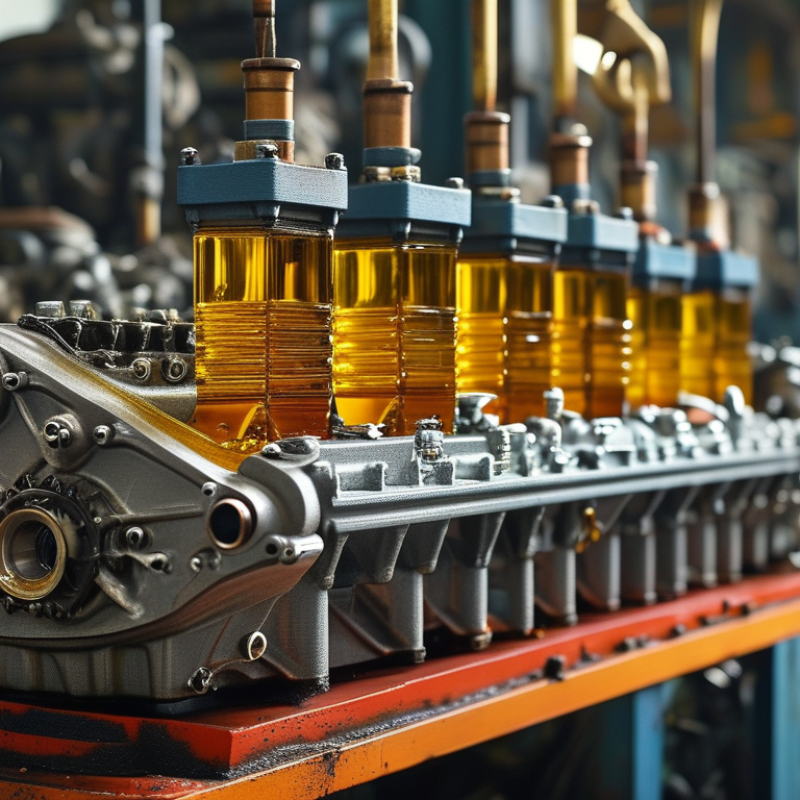
Engine oil plays a critical role in engine performance. Its raw materials significantly influence its quality and reliability. The most common base oils derived from mineral, synthetic, or bio-sourced materials serve as the foundation for engine oils. According to the American Petroleum Institute, nearly 70% of engine oil's performance comes from its base oils. These oils lubricate moving parts and reduce friction, ensuring smooth operation under various conditions.
Additives in engine oils enhance these fundamental properties. Detergents clean engine components, while friction modifiers reduce wear during operation. A study published by the Society of Automotive Engineers highlights that the right additives can improve fuel efficiency by up to 5%. This figure shows the compelling benefits for buyers, as more efficient engines can lead to significant cost savings over time. However, not all engine oils are created equal, and buyers must navigate a wide variety of products, some of which may underperform.
The complexity of engine oil formulations brings challenges. Understanding these components is crucial for optimal performance. Many consumers may not realize that not all oils are suitable for their engines. A mismatch can lead to issues like sludge build-up or even severe engine damage. Knowledgeable consumers should consider the specifications outlined in their vehicle's owner manual. This understanding empowers them to make informed choices, ultimately benefiting their vehicles and wallets.

This chart illustrates the composition of engine oil raw materials and their respective cost percentages. Base oil constitutes the majority of engine oil composition, followed by various additives that enhance performance and longevity.
Engine oil is a crucial component in maintaining engine performance. It is made from several key raw materials, each playing a significant role. The primary component is base oil, which can be mineral, synthetic, or bio-based. According to the American Petroleum Institute (API), around 70% to 90% of engine oil is made up of base oils, significantly influencing viscosity and performance.
Additives are another critical aspect of engine oil. These include detergents, dispersants, and anti-wear agents. Detergents help keep engine parts clean by preventing sludge formation. Dispersants ensure that contaminants remain suspended in the oil, while anti-wear agents protect critical engine surfaces. A report from the National Lubricating Grease Institute (NLGI) indicates that using high-quality additives can improve engine life by up to 30%.
However, sourcing raw materials poses challenges. Environmental concerns also arise from the extraction processes. For instance, synthetic oils require significant energy to produce, raising sustainability questions. The industry must continually reassess its practices to meet evolving standards and buyer expectations. Thus, understanding these raw materials is essential for buyers seeking reliable and efficient engine oil solutions.
High-quality raw materials are crucial for engine oil production. Their benefits extend well beyond just performance. Buyers who prioritize premium materials can expect greater engine protection and longer oil life. Research indicates that engine oils made from top-tier raw materials can improve fuel efficiency by up to 10%. This translates into real savings over time.
Engine oils with superior additives enhance viscosity stability and resist thermal breakdown. A study by the American Petroleum Institute suggested that engines using these oils can operate more efficiently. They exhibit lower wear rates, which can increase the lifespan of engine components. However, not all manufacturers disclose the quality of their raw materials. This lack of transparency can mislead buyers and result in poor purchasing decisions.
Investing in high-quality engine oil may seem costly upfront. However, the long-term benefits often outweigh the initial expense. Poor raw materials lead to quicker oil degradation. Consequently, this can require more frequent oil changes, ultimately costing more in the long run. For buyers seeking optimal engine performance, the choice of raw materials should never be underestimated. The right ingredients do more than lubricate; they protect and enhance engine life.
Engine oil raw materials play a crucial role in the production of engine oils. However, they also come with potential environmental impacts that buyers need to consider. Many raw materials are derived from petroleum, a non-renewable resource. This can lead to pollution and habitat destruction during extraction. Additionally, synthetic options, while often formulated to perform better, can still create waste and contamination.
Consumers should be aware of the lifecycle of engine oil. After its use, oil often ends up in landfills or is improperly disposed of. This can harm local ecosystems and groundwater. Buyers must consider products that emphasize sustainability. Some companies are now using bio-based alternatives, which can minimize environmental damage. It is not always clear how effective these alternatives are, and research is still needed.
Choosing the right engine oil involves balancing performance and environmental impact. While high-performance oils might seem appealing, their production often comes with hidden costs. Buyers should ask questions and demand transparency. It's essential to weigh not only the benefits of better lubrication but also the broader consequences on our planet. This reflection can lead to informed choices that support both performance and sustainability.
When evaluating raw materials for engine oil production, cost is a significant concern. Buyers must consider the price of base oils and additives. High-quality base oils often come at a premium. However, they can improve engine performance and longevity. Lower-cost alternatives may save money upfront but could lead to higher maintenance costs over time.
Additives play a crucial role in enhancing the properties of engine oil. These include detergents, anti-wear agents, and viscosity improvers. Selecting the right additives can create a more efficient lubricant. Yet, using cheaper additives might compromise oil performance or reduce engine protection. It’s a delicate balance between cost and quality.
Buyers often face a challenging decision. It’s essential to assess long-term benefits against initial costs. Investing in superior raw materials might lead to savings down the road. However, not all buyers recognize this value. Thus, understanding the implications of material choices is vital for making informed decisions.