How to Choose the Best Facial Scrub for Your Skin Type?
Choosing the right facial scrub can transform your skincare routine. A good facial scrub exfoliates, removes dead skin, and reveals a fresh complexion. However, not every scrub suits every skin type.
Understanding your skin is essential. Oily skin may benefit from a scrub that controls shine. Dry skin often needs a gentle formula that hydrates. Sensitive skin should opt for soothing ingredients to avoid irritation.
When selecting a facial scrub, consider texture and fragrance. A scrub that feels too harsh might cause redness. Meanwhile, a pleasant scent can make the experience enjoyable. Reflect on your needs. What works for one person may not work for you. Make informed choices for healthier, glowing skin.
Understanding Different Skin Types and Their Needs
Choosing a facial scrub requires understanding your skin type. There are various skin types: oily, dry, combination, and sensitive. Each type has its unique needs. Oily skin often craves exfoliation to remove excess oil. A scrub with small, gentle beads can help unclog pores. You might find that some scrubs feel too harsh. Balancing your skin is essential.
Dry skin needs hydration and gentle exfoliation. A scrub that includes nourishing ingredients is ideal. Look for creamy textures that won’t strip your skin. Some scrubs could leave your skin feeling tight or irritated. It’s important to test and see what works for you.
Combination skin benefits from a dual approach. Focusing on oily zones while moisturizing others can be tricky.
Sensitive skin is a challenge. Harsh ingredients may lead to irritation or redness. It's better to choose scrubs with minimal exfoliating agents. Those with natural components can be safer. Sometimes, less is more. Pay attention to how your skin reacts. Each person may need time to find the perfect match. Avoid rushing the selection process. Patience is key.
Key Ingredients to Look for in Facial Scrubs
Choosing the right facial scrub hinges on understanding key ingredients that suit your skin type. For oily skin, look for salicylic acid. This ingredient is known to reduce excess oil and clear up breakouts. A report by the American Academy of Dermatology highlights that salicylic acid can reduce acne lesions by up to 30%. However, overuse can lead to dryness, so moderation is key.
For dry or sensitive skin, seek out gentle exfoliants like lactic acid or rice bran. These ingredients provide moisture while removing dead skin cells. According to a study published in the Journal of Clinical and Aesthetic Dermatology, lactic acid is less irritating and can improve skin texture significantly. Remember, a harsh scrub may cause redness or irritation. Choose wisely.
Tips: Always perform a patch test before trying new products. This helps to avoid unpleasant reactions. Consider your environment too; factors like humidity can affect your skin. Tailor your scrub choice based on both your skin type and external conditions, as this will yield the best results. Don't forget to listen to your skin's needs; sometimes, less is more.
The Role of Exfoliation Frequency Based on Skin Type
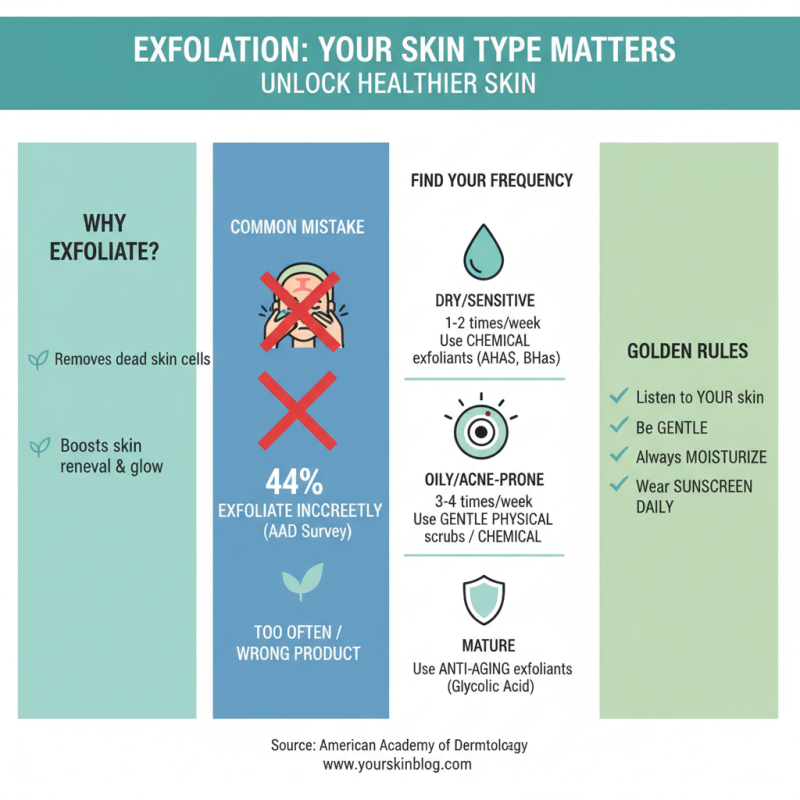
Exfoliation is crucial for maintaining healthy skin. However, the frequency of using facial scrubs should align with specific skin types. According to a survey by the American Academy of Dermatology, 44% of people exfoliate incorrectly. This often stems from misconceptions about skin needs and limitations.
For oily skin, exfoliation is beneficial but should not be excessive. Three times a week is optimal. Over-exfoliating can lead to increased oil production, contradicting the purpose. On the flip side, dry skin requires a gentler approach. The same survey indicates that individuals with dry skin should exfoliate no more than once a week to avoid irritation.
Combination skin poses unique challenges. A study published in the Journal of Dermatological Treatment found that this skin type should alternate between different products. Finding the right balance can be a journey of trial and error. Many individuals report confusion about which products suit their needs best. This comment echoes in online forums, highlighting the struggle faced by many when addressing diverse skin concerns.
How to Patch Test New Facial Scrubs Safely
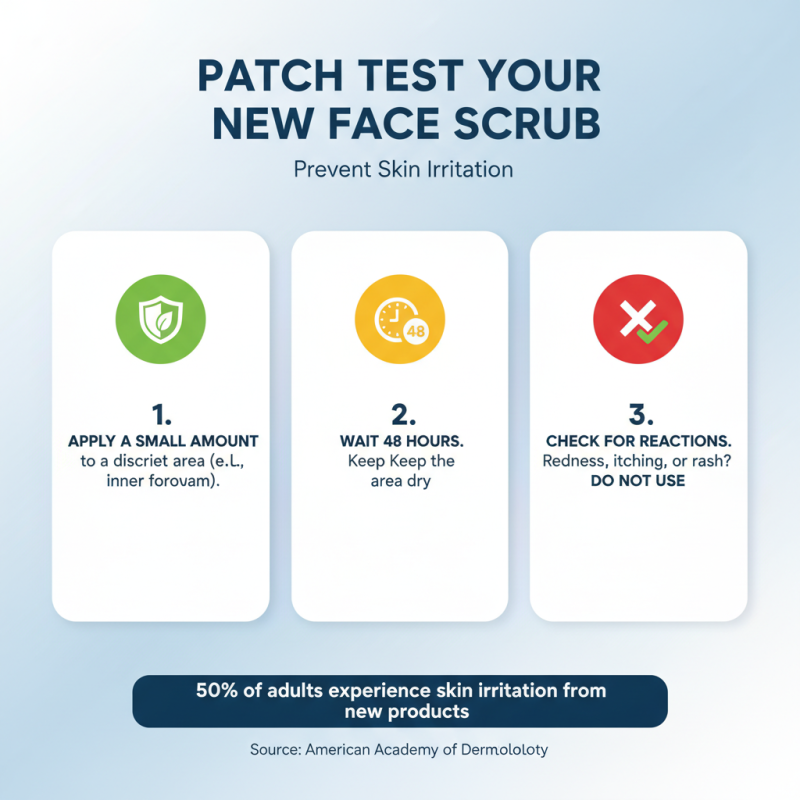
Patch testing new facial scrubs is essential for anyone concerned about skin sensitivity. The American Academy of Dermatology suggests that up to 50% of adults experience skin irritation from new products. This high rate highlights the importance of a careful approach when introducing any regimen change. A proper patch test can prevent unwanted reactions and ensure a product is suitable for your skin type.
To conduct a patch test, apply a small amount of the scrub on an inconspicuous area, such as behind the ear or on the inner arm. Observe the area for 24-48 hours for any signs of irritation, redness, or itching. According to dermatologists, a failure to perform this simple step can lead to significant discomfort or even allergic reactions. People with sensitive skin may want to increase this testing duration to monitor for delayed reactions.
Not all scrubs work for all skin types. Some may contain ingredients that could exacerbate existing conditions. Consider factors like skin hydration and barrier function. If the scrub feels too abrasive or causes any discomfort, reevaluate your choice. Skin is unique. What works for one person may not work for another.
Evaluating Brand Claims and Choosing Quality Products
Choosing a facial scrub can be daunting. It’s essential to evaluate brand claims critically. Many brands tout magical results, but reports indicate that up to 70% of beauty claims are exaggerated. Therefore, focusing on ingredients is vital. Look for key components like exfoliants, natural oils, and soothing agents that fit your skin type.
Quality should never be compromised. Research shows that scrubs with natural exfoliants like jojoba beads or oatmeal are gentler. Artificial beads can cause microtears. Always read the product labels carefully. Check for specific claims about skin type compatibility and potential allergens. Tips: Try patch testing before full application. This can prevent adverse reactions.
Price doesn’t always equal quality. Some lower-priced scrubs perform just as well as high-end products. Don’t let marketing dictate your choices. Verify ingredient transparency and customer reviews instead. A scrub should improve your skin, not harm it. Consider your skin's unique needs and adapt your choices accordingly. Regularly reassess your skincare routine as your skin changes over time.
How to Choose the Best Facial Scrub for Your Skin Type?
| Skin Type |
Recommended Ingredients |
Exfoliating Method |
Frequency of Use |
Key Benefits |
| Oily |
Salicylic Acid, Charcoal |
Chemical |
2-3 times a week |
Controls oil, unclogs pores |
| Dry |
Glycolic Acid, Sugar |
Physical |
Once a week |
Moisturizes, removes dead skin |
| Combination |
Lactic Acid, Coffee Grounds |
Combination |
1-2 times a week |
Balances skin, brightens complexion |
| Sensitive |
Aloe Vera, Oatmeal |
Gentle Physical |
Once a week |
Soothes, gentle exfoliation |